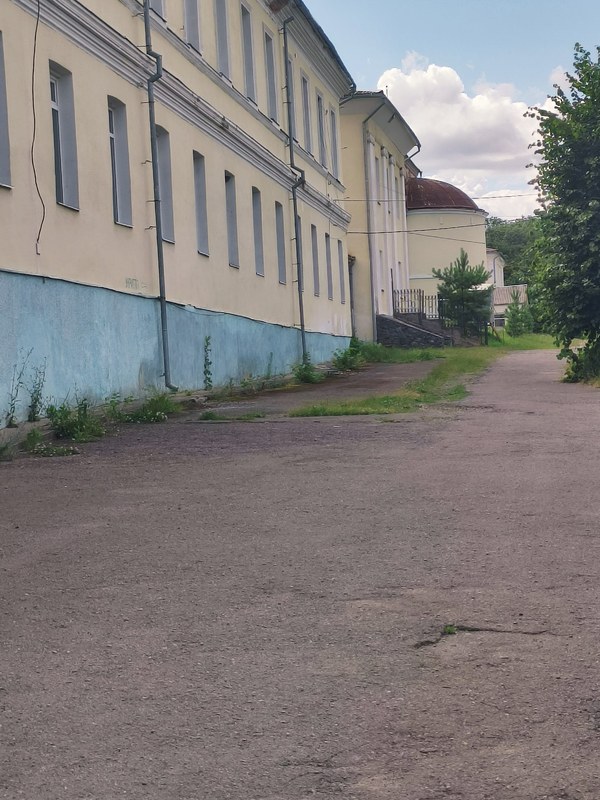
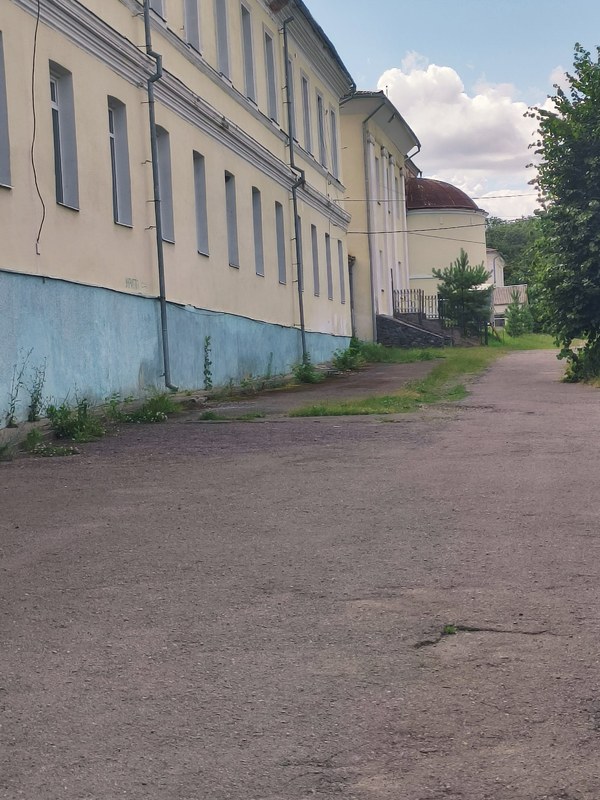
Yaroshynsky Palace in Tyvriv was once among the largest palaces in Podillia and remains an important landmark of late-18th-century classicism. The two-storey residence, with its portico, dome and park on the Southern Bug, preserves not only an architectural ensemble but also a cultural memory: Mykola Leontovych and Kyrylo Stetsenko worked here, and poet Volodymyr Svidzinskyi studied here.
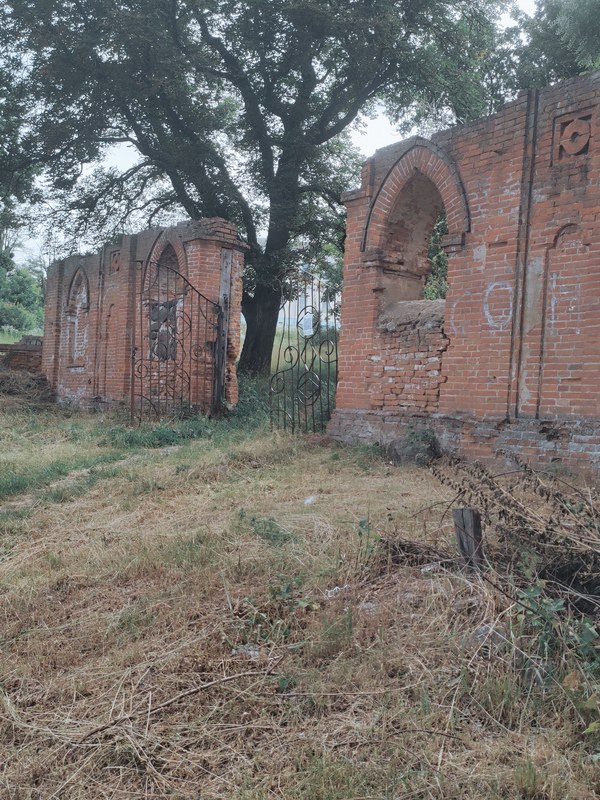
For a traveler it is a convenient weekend stop from Vinnytsia — the town lies about 30 km to the south. The palace façade, the ruins of neo-Gothic park gates and the remnants of the landscape park still convey Tyvriv’s aristocratic past.
This guide was prepared for Podilski Mandry from verified local-history sources. Interior access is limited: the building now houses a boarding lyceum.
Tyvriv
palace
classicism
late Baroque
Yaroshynsky family
palace park
Mykola Leontovych
Kyrylo Stetsenko
cultural heritage
green tourism
Vinnytsia Oblast
Vinnytsia District
weekend route
Quick answer
- Where: Tyvriv, Vinnytsia District (formerly Tyvriv District), Vinnytsia Oblast; 14 Lenina Street.
- What it is: late-18th-century palace of the Yaroshynsky family; local architectural monument, classicism with late-Baroque traits.
- How to get there: about 30 km from Vinnytsia by car; buses Vinnytsia–Tyvriv.
- Time needed: 1–1.5 hours for the exterior, plaques and a park walk.
- Best for: palace architecture, musical heritage, parks and green-tourism routes in Podillia.
- District: Vinnytsia District — route hub around Vinnytsia.
Site overview
Yaroshynsky Palace was the family residence built at the end of the 18th century after Tyvriv finally passed to Zakharii Yaroshynsky in 1756. It is a two-storey classicist building with a portico, dome and side wings; the park façade carries late-Baroque features.
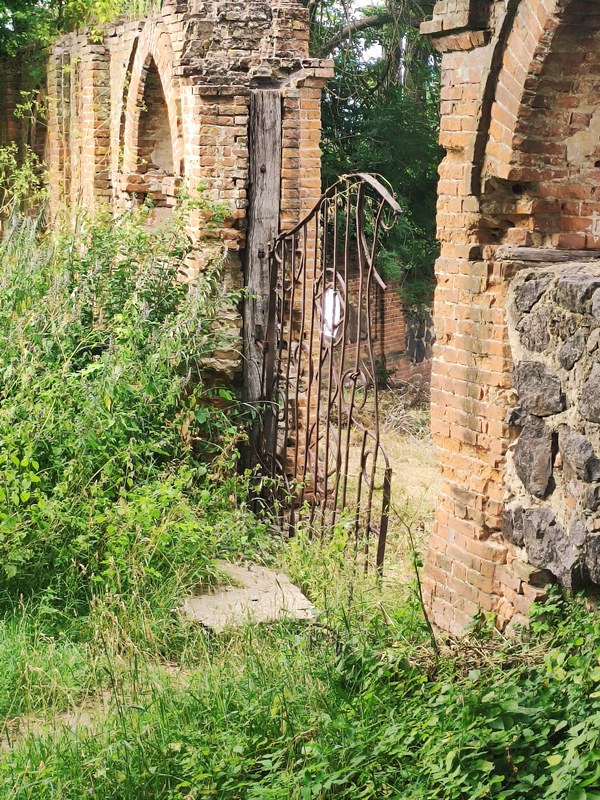
A landscape park of about 22 hectares was laid out with the palace. Nineteenth-century park gates survive as neo-Gothic ruins, and parts of the park remain. The Tyvriv boarding lyceum for advanced science education now occupies the building, so interiors are closed to casual visitors.
Allow about an hour for the exterior. The palace combines well with a stroll through Tyvriv and other sites along the Southern Bug.
Photos
History
Origins
Tyvriv is an old Podillian town long associated with the Yaroshynsky family. In 1756 it finally passed to Zakharii Yaroshynsky, who at the end of the 18th century built the palace and laid out a landscape park around the residence.
Owners and context
The estate stayed with the Yaroshynsky heirs until the end of the 19th century. In 1891 the owners sold the palace to the Podillian eparchy, which opened a theological school there. Early in the 20th century a serious fire led to a major rebuilding of the front section.
Cultural significance
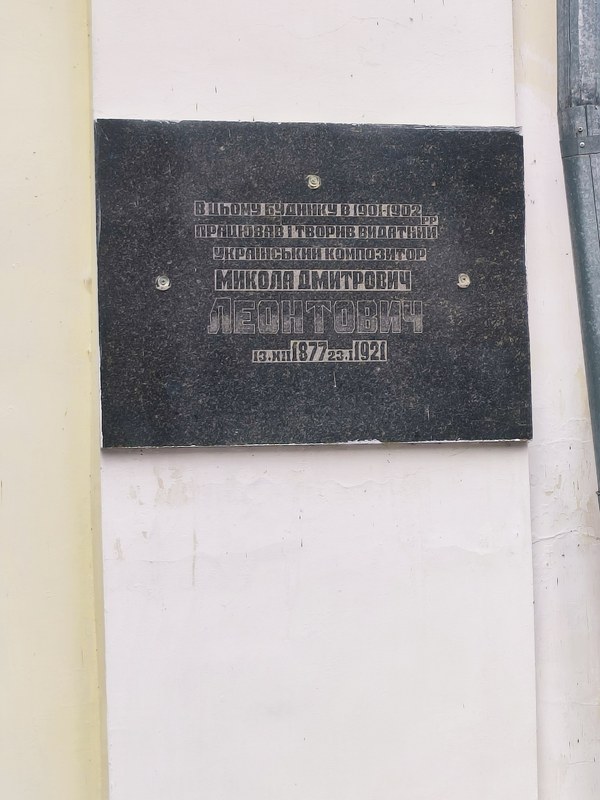
The theological school mattered greatly for the town. Composers Kyrylo Stetsenko (1910–1911) and Mykola Leontovych (1901–1902) worked here; poet Volodymyr Svidzinskyi studied here in 1894–1899. After the Second World War the former palace became a boarding school; today it is the Tyvriv boarding lyceum.
Present day
The palace is a local architectural monument (protection number 173-M/1). The park gates (173-M/2) and park (173-M/3) are protected separately. Interiors have changed heavily; authentic finishes have largely vanished. The façade and park setting remain open for exterior viewing.
Architectural features
Plan and composition
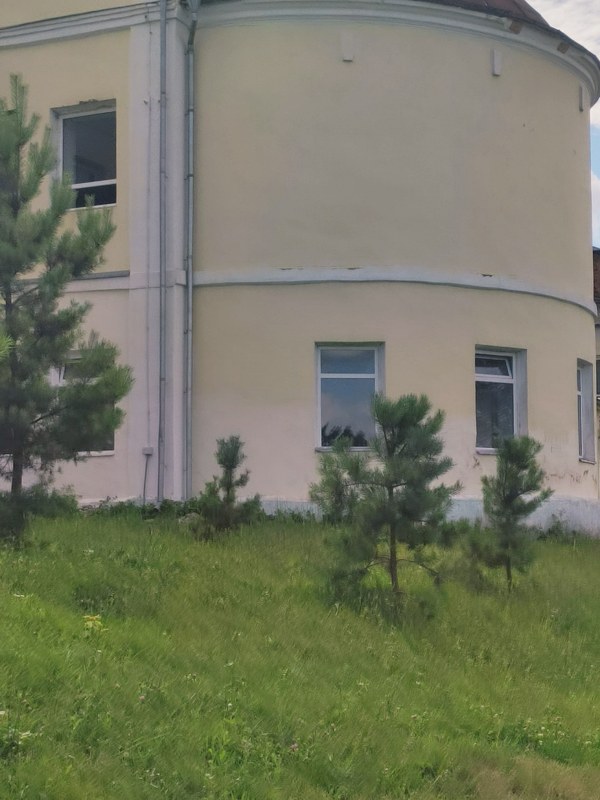
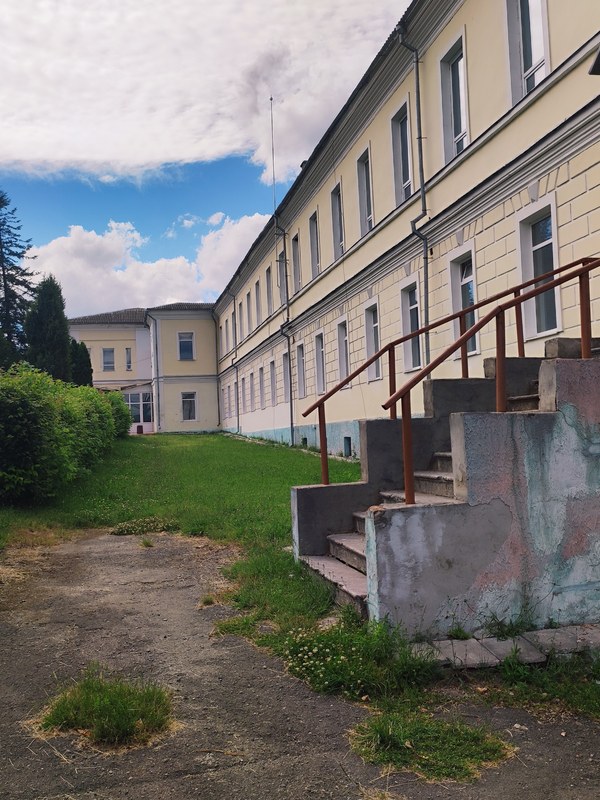
The palace is a two-storey building with a central portico, a round domed tower and long side wings. The right wing is the oldest, dated to the late 18th century when the palace was built. The composition balances restrained classical symmetry with Baroque accents on the park façade.
Style
The main language is classicism: a columned portico, rusticated base and rhythmic window rows. The park side shows late-Baroque traits, notably the round half-domed tower. The park gates are neo-Gothic, from the 19th century.
State of preservation
The façade remains in satisfactory condition thanks to the active school. The park survives only in part and is rather neglected. The ruined gates and fencing are expressive, if dilapidated, elements of the ensemble.
Natural setting
Park and landscape
The landscape park was founded with the palace in the 18th century and covered about 22 hectares. Toward the Southern Bug there were once fountains, gazebos and other formal park features. Only fragments remain today.
Walks and photography
The classicist façade, neo-Gothic gate ruins and overgrown park create atmospheric frames. Spring and summer are best; sunlight heightens the contrast between the yellow façade and the greenery.
Green tourism
The location fits green-tourism routes across Podillia: palace architecture, riverside parkland and a quiet historic town.
Visitor information
How to get there
The easiest approach is by car — about 30 km south of Vinnytsia. Regular buses also run from Vinnytsia to Tyvriv. The palace stands in the town centre at 14 Lenina Street.
Before you go
A boarding lyceum operates in the palace, so interiors are closed to visitors. Confirm any special access with the school administration. Exterior viewing of the façade, memorial plaques and park is possible.
Access and safety
During wartime, check current regional safety guidance and travel restrictions before the trip.
Combining with other sites
Yaroshynsky Palace pairs naturally with Potocki Palace in Tulchyn and other Podillian estates on a one-day drive from Vinnytsia.
Nearby
- Potocki Palace in Tulchyn — a museum estate with a park, one of Vinnytsia Oblast’s best-known manors.
- Vinnytsia District — a hub of landmarks for route planning.
- The Southern Bug valley near Tyvriv — walks and riverside views.
- Tyvriv town centre — a short stroll around the palace setting.
Expert view
Yaroshynsky Palace is one of the largest 18th-century palaces in Podillia that still stands. In architectural presence and historical weight it can be compared with Potocki Palace in Tulchyn, though the Tyvriv site is less known to tourists and offers limited interior access.
Its cultural layer is especially valuable: ties to Leontovych, Stetsenko and Svidzinskyi make the palace a point on Ukraine’s musical and literary map. The ruined neo-Gothic gates and neglected park add an atmosphere of faded grandeur that draws photographers and local-history travelers.
Comparison with other Vinnytsia Oblast sites
| Site | Place / community | Type | Period | Architectural strength | Natural setting | Condition | Value on a Vinnytsia route |
|---|---|---|---|---|---|---|---|
| Yaroshynsky Palace | Tyvriv | Palace | Late 18th c., classicism | High: portico, dome, neo-Gothic gates | Park ~22 ha, Southern Bug | Façade satisfactory; park partly neglected | High for a trip from Vinnytsia (~30 km) |
| Potocki Palace | Tulchyn | Palace | 19th c., classicism | Very high, museum site | Park, town centre | Restored, museum | High, hub of Tulchyn District |
| Chetvertynsky Palace | Antopil, Tulchyn District | Palace | Late 18th c., classicism | High: Ionic portico, pediment | Park with veteran trees | Well preserved (active institution) | High for Tulchyn District routes |
| M. Ye. Tsenina Estate | Kotyuzhany, Mohyliv-Podilskyi District | Estate / palace | 1912, Neo-Renaissance | High: reliefs, balustrades | Victoria Park, Liadova River | Preserved; façade needs restoration | High for Mohyliv-Podilskyi routes |
FAQ
Where is Yaroshynsky Palace?
In Tyvriv, Vinnytsia District, Vinnytsia Oblast, at 14 Lenina Street — about 30 km south of Vinnytsia.
Can visitors go inside?
Interior access is limited: a boarding lyceum occupies the palace. Confirm any visit with the school. Exterior viewing of the façade and park is possible.
Why is the palace culturally important?
Composers Mykola Leontovych (1901–1902) and Kyrylo Stetsenko (1910–1911) worked here, and poet Volodymyr Svidzinskyi studied here in 1894–1899, when the building was a theological school.
When is the best time to visit?
Spring and summer are best for park walks and photos. Sunshine highlights the façade and the ruined park gates.
How much time should I allow?
About 1–1.5 hours for the exterior, plaques and park. With other sites nearby, plan half a day.
What should I see on the grounds?
The porticoed façade and dome, memorial plaques to Leontovych, Stetsenko and Svidzinskyi, the neo-Gothic park-gate ruins and what remains of the park.
Sources
Video
Map