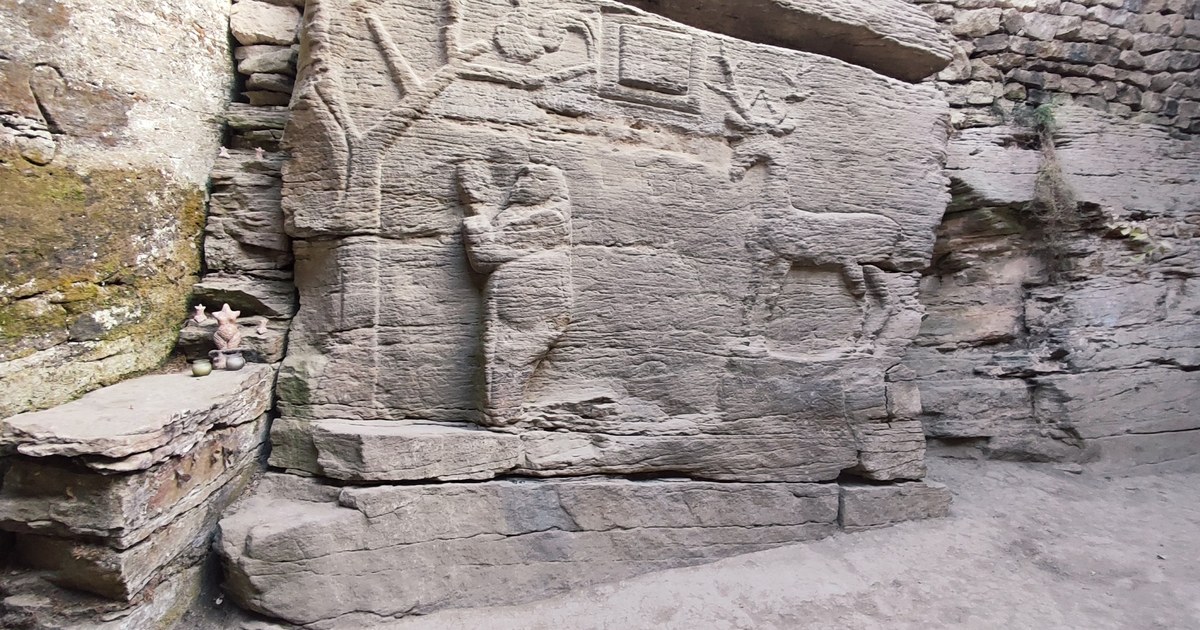
The village of Busia in southern Vinnytsia Oblast is a historic cultural landscape where the Bushanka meets the Murafa: the State Historical and Cultural Reserve “Busia” brings together a rock-cut church, ruins of a defensive fortress with a stone tower, a medieval cemetery, museums and a large open-air park of historic sculptures (the park’s scale is described on the reserve’s official website). Nearby is Haidamatsky Ravine in the Bushanka valley.
For travellers, Busia is a convenient weekend stop in Mohyliv-Podilskyi district: ticketed entry to the reserve, guided-tour infrastructure and a clear chain of sights from Trypillian layers to the Cossack era. The village fits Podillia green tourism alongside Sharhorod and natural routes along the Murafa valley.
This guide was prepared for Podilski Mandry from official reserve materials and encyclopaedic sources; confirm ticket prices and opening hours on the reserve website before you go.
Busia Reserve
rock church
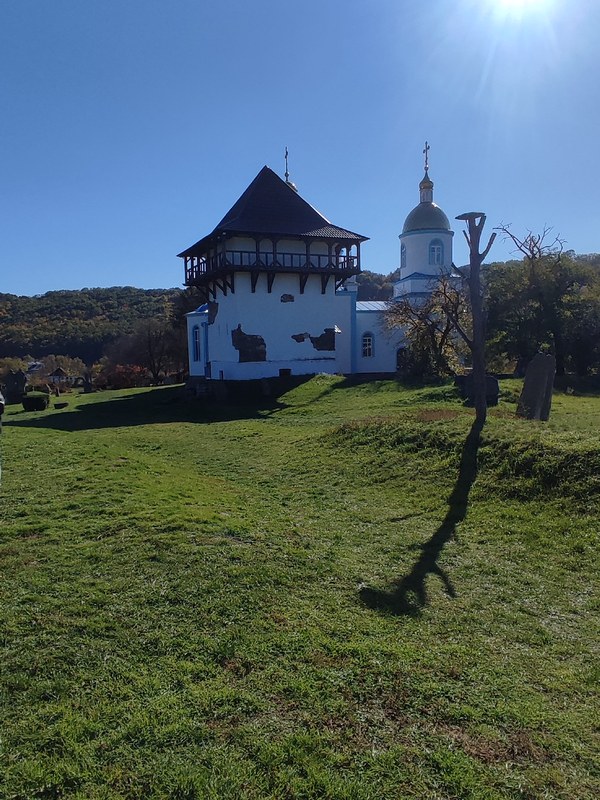
Busia fortress
castle tower
Bushanka
Murafa
Yampil hromada
Mohyliv-Podilskyi district
Haidamatsky Ravine
green tourism
Vinnytsia Oblast
weekend route
At a glance
- Where: Vinnytsia Oblast, Mohyliv-Podilskyi district, Yampil territorial hromada, village of Busia (near the confluence of the Bushanka and Murafa).
- What it is: a state historical and cultural reserve with monuments of national significance: rock church, 16th–17th-century defensive fortress, underground passages, cemetery, museums, park of stone sculptures.
- How to get there: your own car from Yampil, Mohyliv-Podilskyi or Sharhorod is most reliable; confirm access on the reserve contacts page.
- Time needed: 3–4 hours on the reserve grounds; with Haidamatsky Ravine and Sharhorod, plan half or a full day.
- Best for: history, fortifications, sacred architecture in rock, family routes with museum logistics.
- District: Mohyliv-Podilskyi district — hub for southern Vinnytsia routes.
Site overview
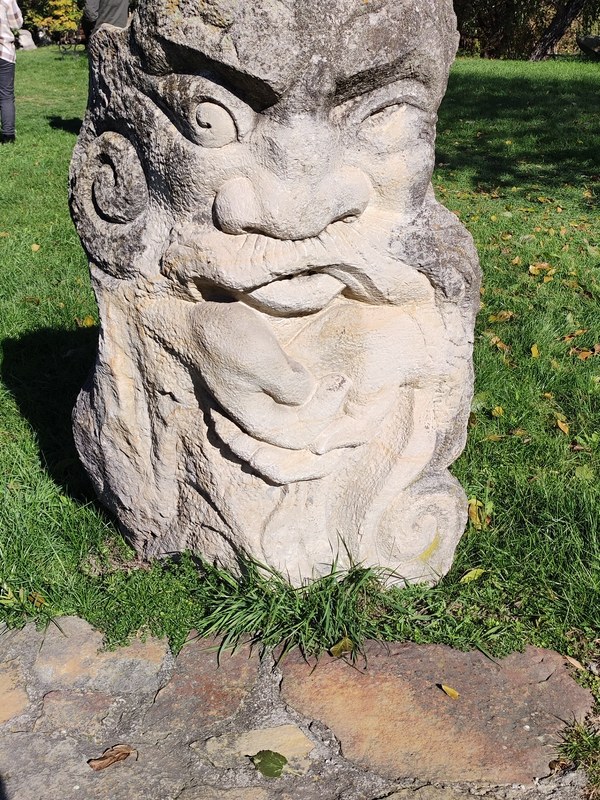
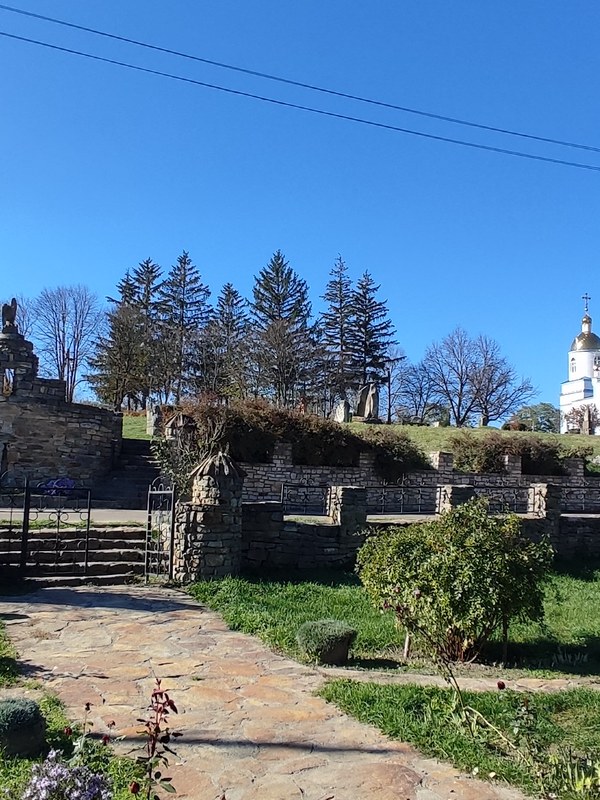
Busia reads as an open-air museum. The main stops are the rock church (a monument of national significance), the castle tower and fortress remains, the medieval cemetery, museum displays (weaving, fine art) and numerous granite sculptures on village streets. Some natural sites, including Haidamatsky Ravine, belong to the reserve complex; a full geological account of the ravine is on a separate guide page.
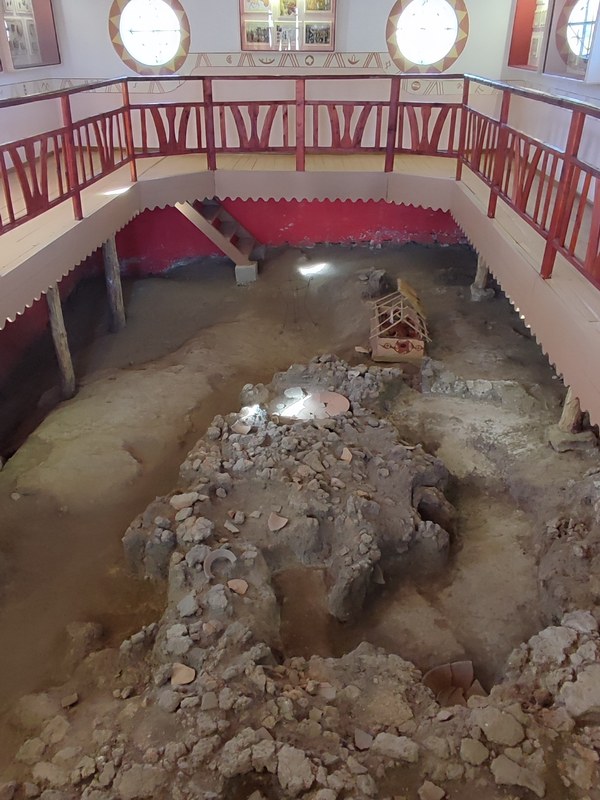
The reserve’s official website stresses the area’s layered history: from Trypillian, Scythian and early Rus settlements to fortifications of the Polish-Lithuanian Commonwealth and events of the mid-17th-century national liberation war. The stone tower is often called the village’s symbol — the best-preserved bastion of the former fortress.
Plan your visit during reserve opening hours: on weekdays it is open in a fixed slot with a lunch break; on weekends organisers recommend booking by phone in advance.
Photos
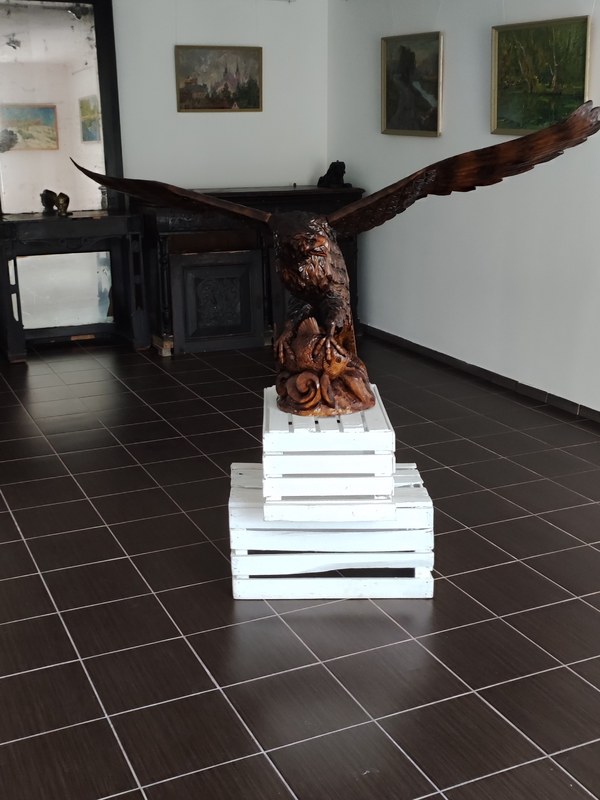
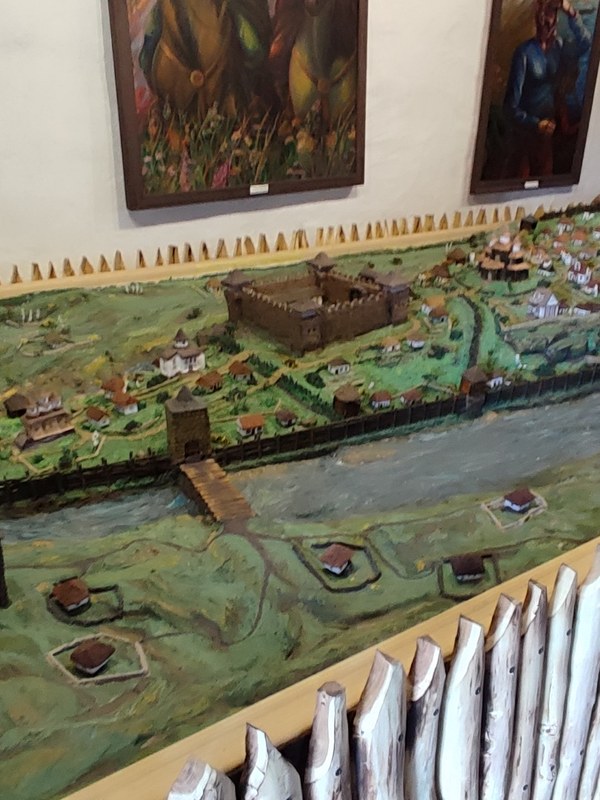
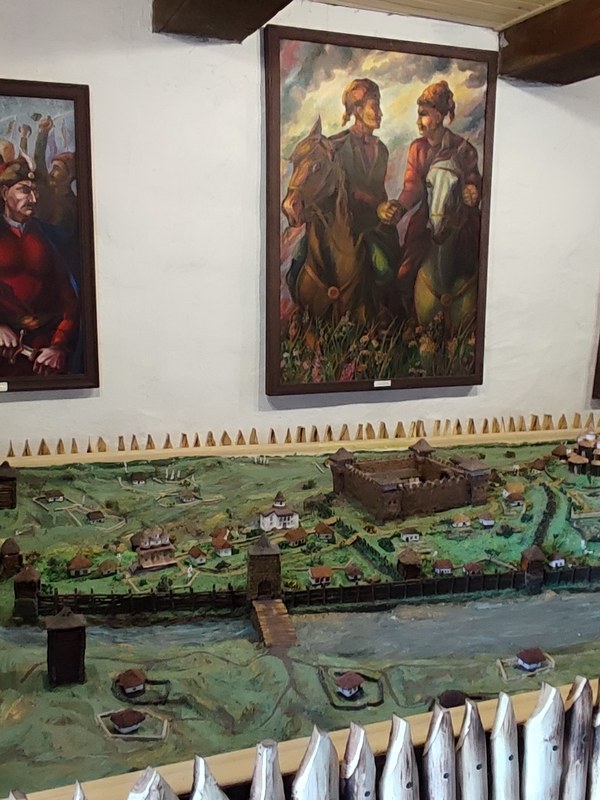
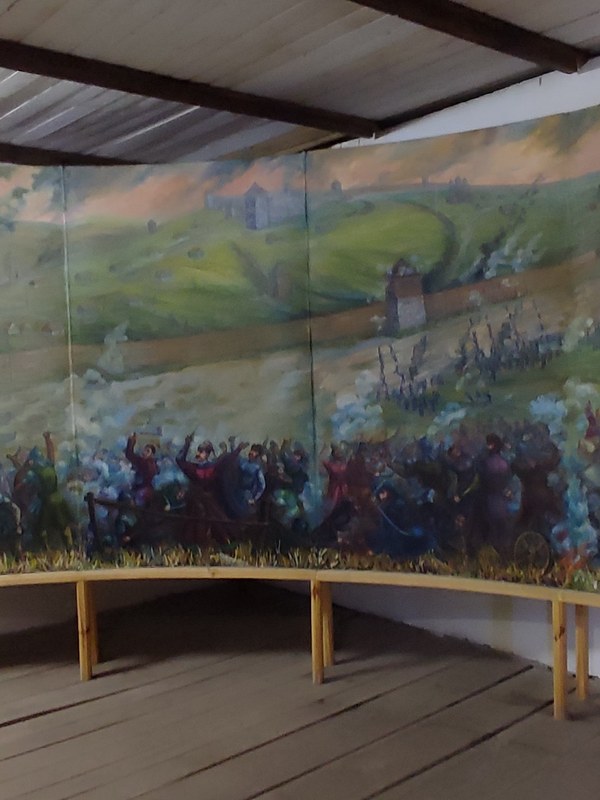
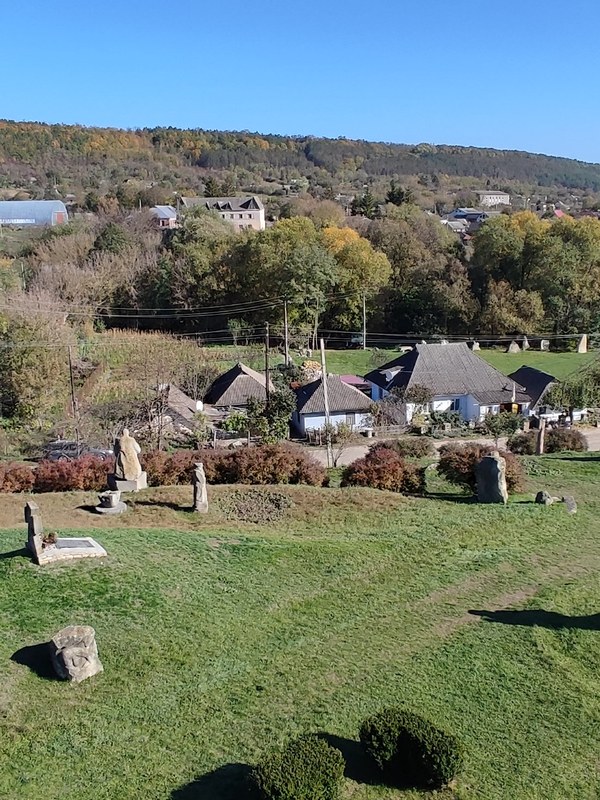
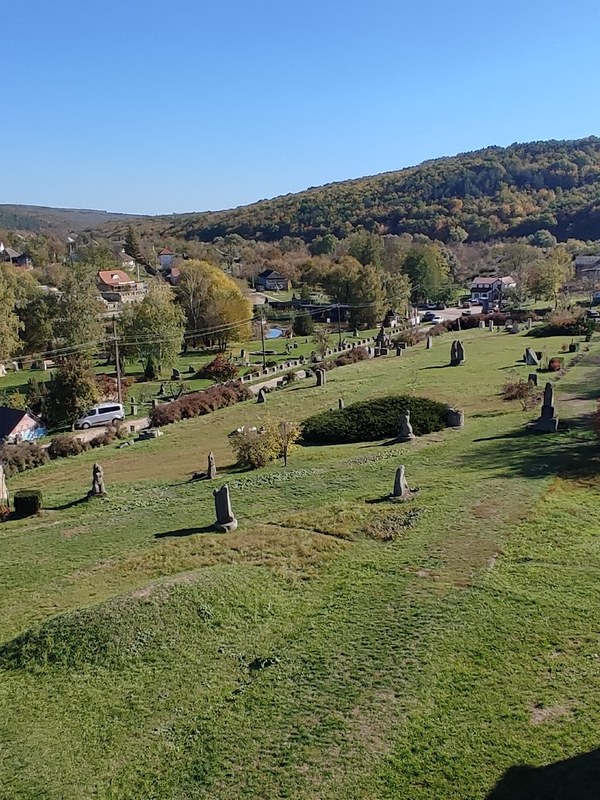
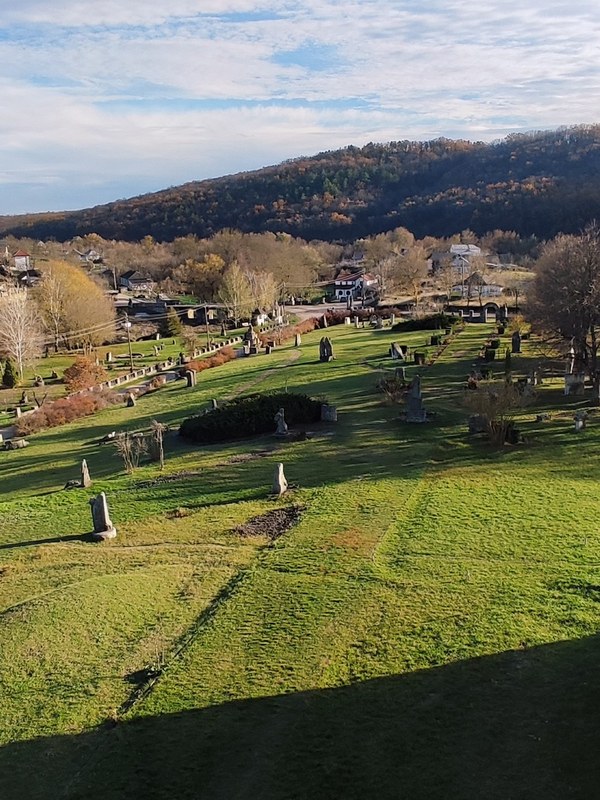
History
From settlement to border fortress
Archaeological layers point to long occupation: the reserve records Trypillian, Scythian, Penkivka and early Rus cultures. Medieval tradition mentions a fortified border town; in the 16th–17th centuries Busia was part of the Bratslav region defence system. Historical accounts say fortifications were strengthened under Crown Hetman Jan Zamoyski.
Cossack era and the town’s decline
In 1648 Busia was taken by Bohdan Khmelnytsky’s forces; local histories tie the 1654 defence to explosions in powder stores — after that the fortress was not rebuilt and the town lost importance. Treat encyclopaedic accounts of that episode as one version among several, not a single verified narrative.
Reserve and today
In 2000 the State Historical and Cultural Reserve “Busia” was created. Today buildings are restored, visitors are admitted on a ticket, and festivals and plein-airs are held (stonemasons, potters, artists). It is an official green-tourism site in Podillia.
Heritage and architecture
Rock church
The rock church is one of the region’s best-known sacred monuments, carved into a rock massif. The reserve classifies it as nationally significant (layers II–V–XVI in museum terminology). For visitors it pairs natural relief with Christian tradition; access follows reserve rules.
Fortress and tower
The 16th–17th-century fortress survives only in fragments; the castle tower reads clearest — a stone silhouette above the valley. Underground passages appear on guided routes; treat them as a historic site with limited access, not unsupervised adventure.
Cemetery, town hall and museums
The medieval cemetery completes the picture of the settlement. The reserve also mentions a 16th-century town hall (ruin condition and access — confirm on site). Some museums (including weaving) have a separate ticket in the reserve price list — budget time and money accordingly.
Natural setting
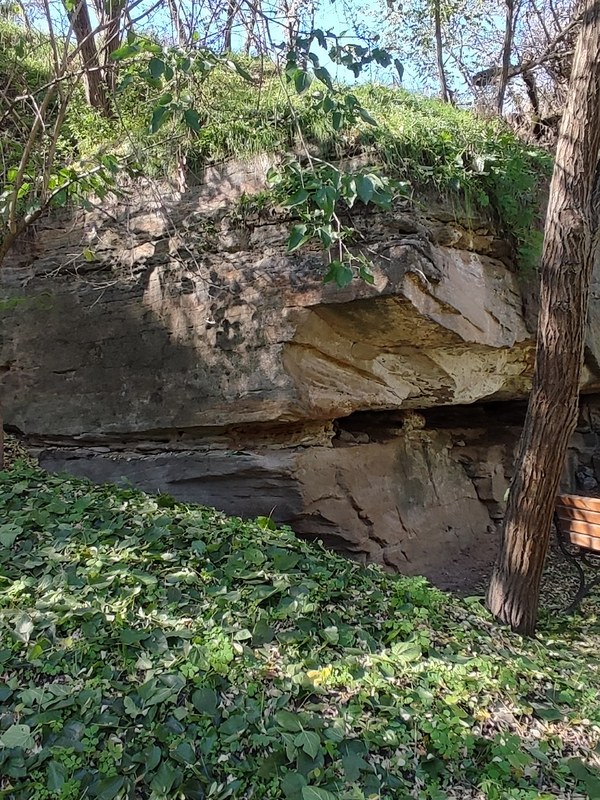
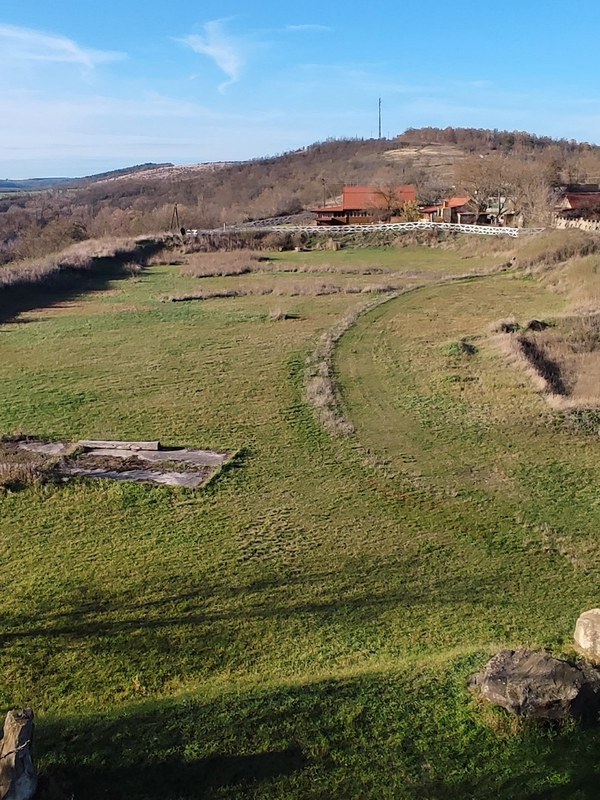
Busia sits in a scenic lowland where the Bushanka joins the Murafa. For nature routes the logical continuation is Haidamatsky Ravine in the Bushanka canyon (a geological monument within the Murafa regional landscape park). Pairing “reserve + ravine” contrasts organised museum space with a walking canyon.
Wooded slopes, rock outcrops and water add appeal for photography and quiet walks without heavy infrastructure.
Visitor information
Tickets and hours
Per the reserve’s official site as of November 2026 (confirm before travel): grounds entry — 100 UAH adults, 50 UAH children 6–16; some museums are priced separately. Hours: Monday–Friday 8:00–17:00 with a 12:00–13:00 break; Saturday and Sunday may run by prior appointment. Phone: +38 (097) 296-17-33.
Getting there
Public transport to Busia is limited; a car from Yampil, Mohyliv-Podilskyi or Sharhorod works best on a “Sharhorod — Busia — Haidamatsky Ravine” loop. Cross-check approach roads with maps and reserve contacts.
Safety
Follow reserve rules; do not climb unsecured ruins. In wartime, check current travel guidance for the region.
Nearby sights
- Haidamatsky Ravine — Bushanka canyon, “Mushroom” and “Ram” rocks (separate page).
- Sharhorod Castle — fortification in the same southern cluster.
- Great Defensive Synagogue in Sharhorod.
- M. Ye. Tsenina Estate (Kotyuzhany).
- Mohyliv-Podilskyi district — hub for trip planning.
Expert take
Busia contrasts with Vinnytsia Oblast’s palace routes: instead of manor representation — a border fortress, rock church and Murafa village landscape. It is a rare mix of museum system (ticket, hours, displays) and “raw” historic terrain.
For the Podilski Mandry strategy, Busia anchors the southern district: Cossack, fortification and nature threads in one day’s drive, while separate palaces add an aristocratic layer of experience.
Comparison with other Vinnytsia sites
| Site | Settlement | Type | Main value | Infrastructure | Visit time | Route value |
|---|---|---|---|---|---|---|
| Busia (reserve) | Busia village | Reserve / fortress / church | Rock church, tower, sculptures | Tickets, museums, tours | 3–4 hr | Very high for history + green tourism |
| Haidamatsky Ravine | Busia — Hamulivka | Geological monument | Canyon, cliffs | Minimal, on foot | 2–3 hr | High paired with Busia |
| Sharhorod Castle | Sharhorod | Fortification | 16th-century castle | Urban tourism | 1–2 hr | High on the same trip |
| Tsenina Estate | Kotyuzhany | Manor | Neo-Renaissance, park | Exterior / park visit | 1–1.5 hr | High for Mohyliv-Podilskyi district |
FAQ
Where exactly is Busia?
In Mohyliv-Podilskyi district, Vinnytsia Oblast, Yampil hromada, near the confluence of the Bushanka and Murafa. Village centre for the map — confirm when publishing (roughly ~48.336° N, ~28.072° E).
How much is entry?
Per the reserve website: 100 UAH adult, 50 UAH child 6–16 on the reserve grounds; some museums may have their own fee. Current prices — busha.com.ua.
When is the best time to go?
May–September is comfortable for walks; August often hosts plein-airs and festivals. Call the reserve before weekend trips.
Should I combine it with Haidamatsky Ravine?
Yes. Reserve and ravine complement each other: museum core in the village — natural canyon along the Bushanka (see the separate article).
How much time should I allow?
At least half a day for the reserve; a full day — with the ravine and the road to Sharhorod.
Is it suitable for children?
Yes — reduced tickets for ages 6–16; watch steps near ruins and rock faces.
Is the reserve open on weekends?
Saturday and Sunday often operate by appointment — call +38 (097) 296-17-33 to confirm time and a tour.
Sources
Video tour
A project-channel video will be added after filming / selecting a clip (YouTube URL — in job.json).
Location on the map