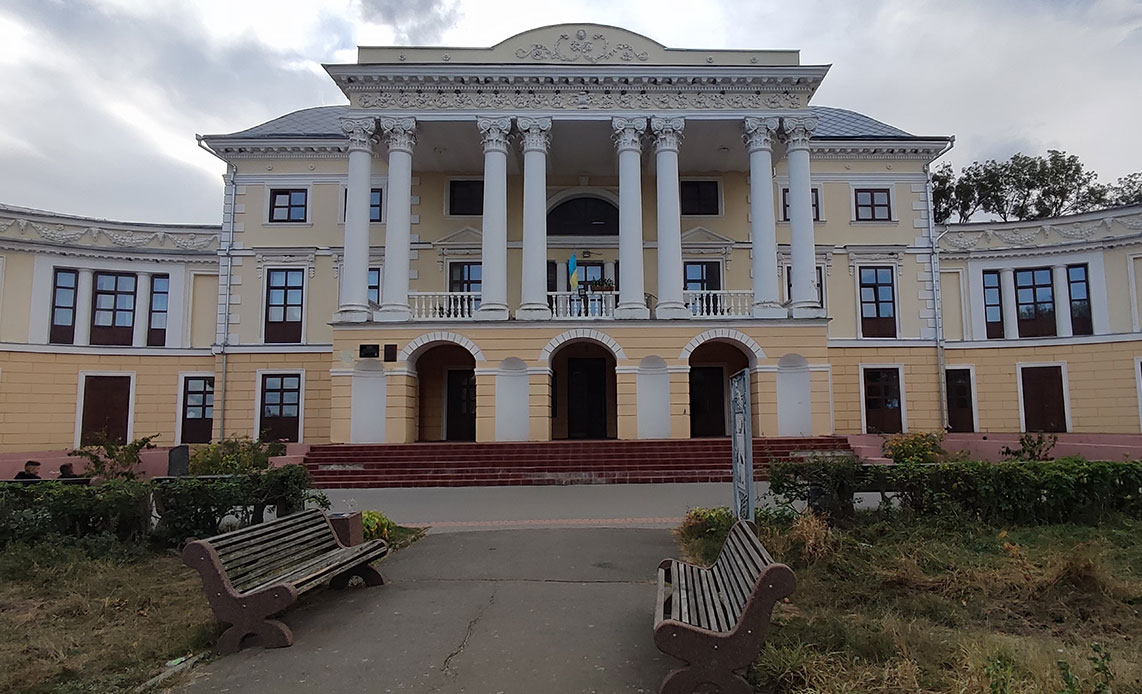
The Grocholski-Mozhaiskyi Palace in Voronovytsia is one of the most important aristocratic heritage sites in the Vinnytsia region. For a traveler, it works on two levels at once: as a late eighteenth-century palace-and-park complex and as the home of the Voronovytsia Museum of Aviation and Cosmonautics.
Within weekend routes from Vinnytsia, this location stands out because it combines architecture, layered local history and a museum story connected with Oleksandr Mozhaiskyi. It is especially relevant for visitors interested in cultural landscapes, slow travel, regional history and heritage photography rather than entertainment-driven tourism.
The site is best approached as a layered monument, not as a fully restored ceremonial residence. That is precisely what gives it value: the palace still reads as an elite residence of the late eighteenth century, but it also preserves traces of later educational, museum and community uses that shaped its present identity.
Voronovytsia
Vinnytsia region
palace and park complex
early classicism
historic estate
museum tourism
slow travel
weekend route
Site Overview
This is a palace-and-park complex in the urban-type settlement of Voronovytsia, not far from Vinnytsia. Today the location is known both as an architectural monument of the late eighteenth century and as the home of the Voronovytsia Museum of Aviation and Cosmonautics, which adds a second interpretive layer to the visit.
The site is most rewarding for travelers interested in architecture, local history, museum visits and calm regional routes. It suits independent travelers, couples, small family groups and anyone building a culture-focused day trip through central Vinnytsia oblast.
For most visitors, 60 to 90 minutes is enough for a focused stop; a longer stay makes sense if the museum is open and you want to combine exterior photography, interior observation and a walk through the grounds. As a weekend-route stop, the palace is a strong choice because it offers a clear heritage anchor without requiring a full-day commitment.
Photos
History
Origin of the Site
The palace belongs to the late eighteenth century and is associated with the Grocholski family. The official museum materials note that sources differ on the exact years of construction and on the author of the design, so the safest formulation is that the residence took shape in the late 1700s as an elite manor complex in Voronovytsia.
Owners and Historical Context
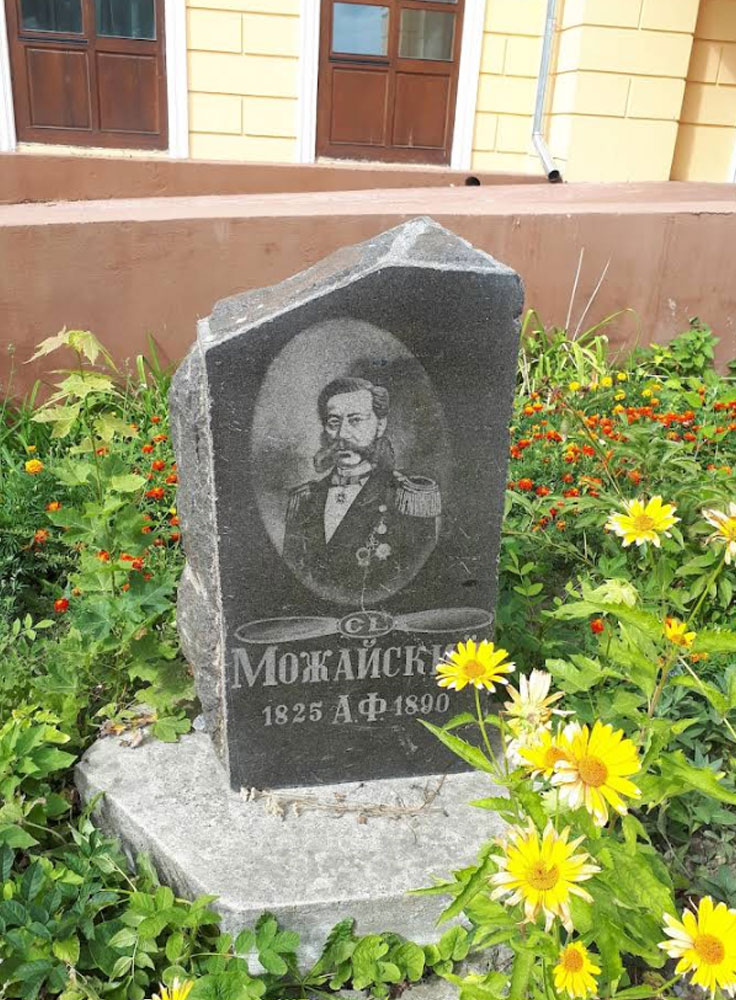
The estate was first linked with the Grocholski family and later with the Mozhaiskyi family, which is why the location carries the double name used today. Its broader historical value comes not only from aristocratic residence culture, but also from the stay of Oleksandr Mozhaiskyi in Voronovytsia in the nineteenth century, when the estate became connected with early aviation research and experimentation.
Later Fate and Current State
In the twentieth century the building passed through several institutional uses, including educational and administrative functions. These changes altered part of the original palace planning, yet the monument survived and later became the basis for the local aviation museum. Official museum information also records restoration work carried out in 2016–2017, while the building today combines museum use with other public functions inside the historic estate.
Architectural Features
Layout and Composition
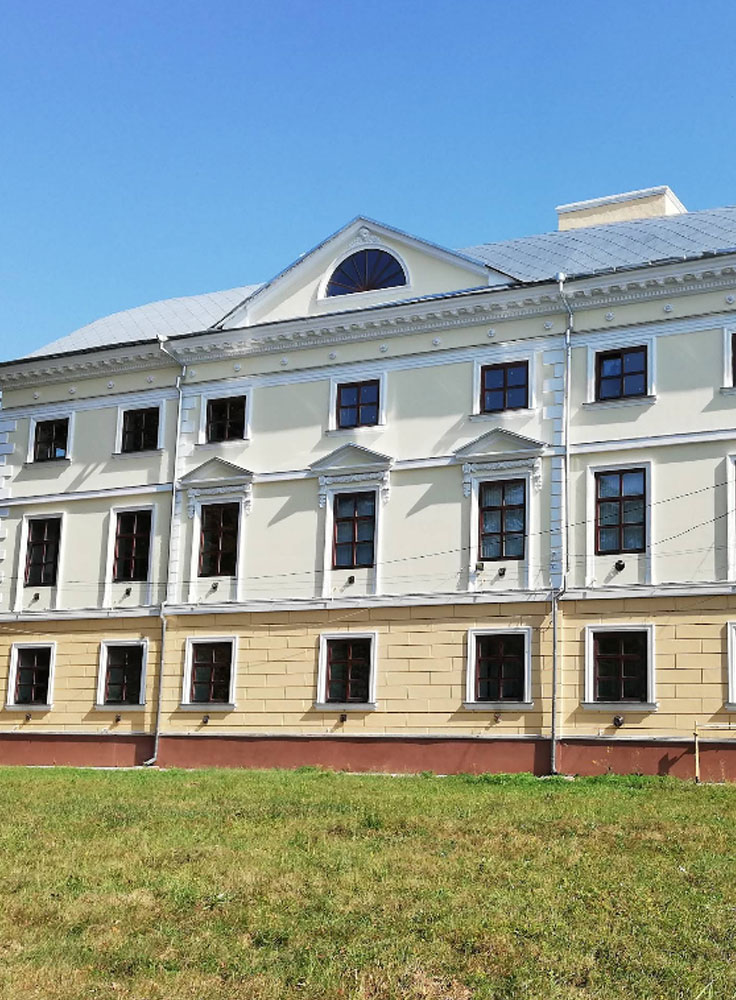
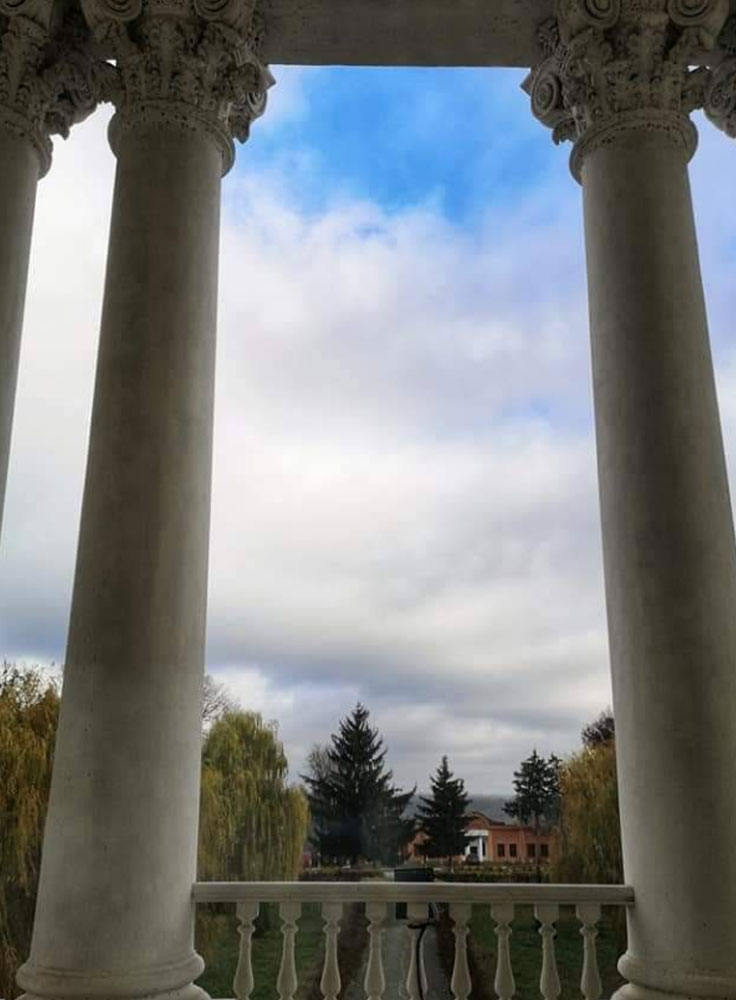
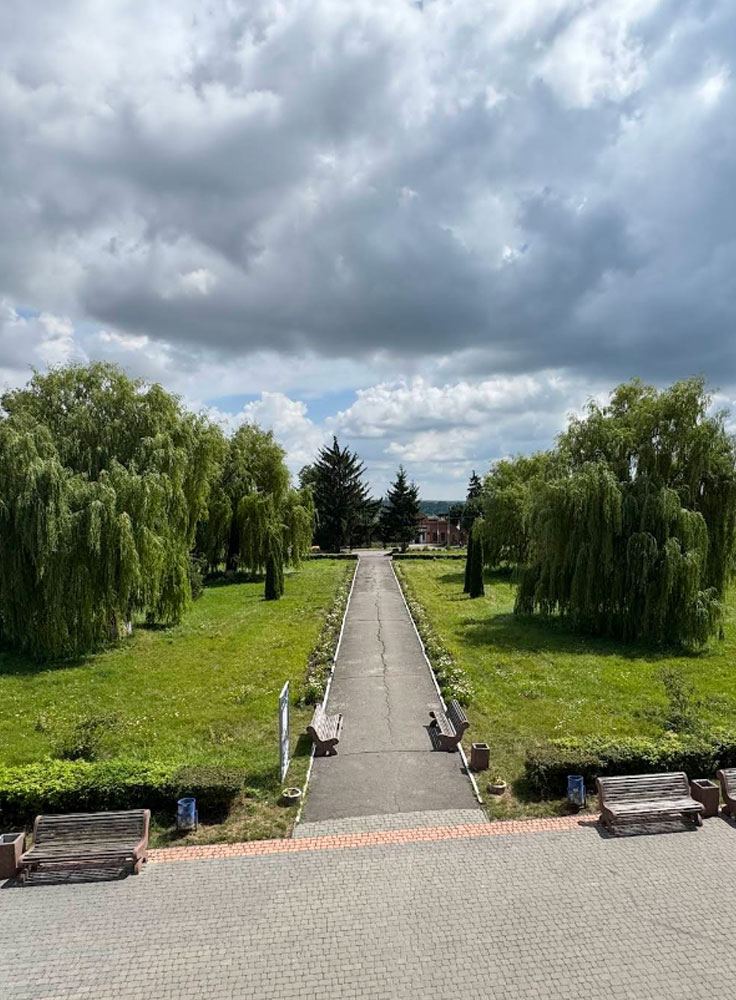
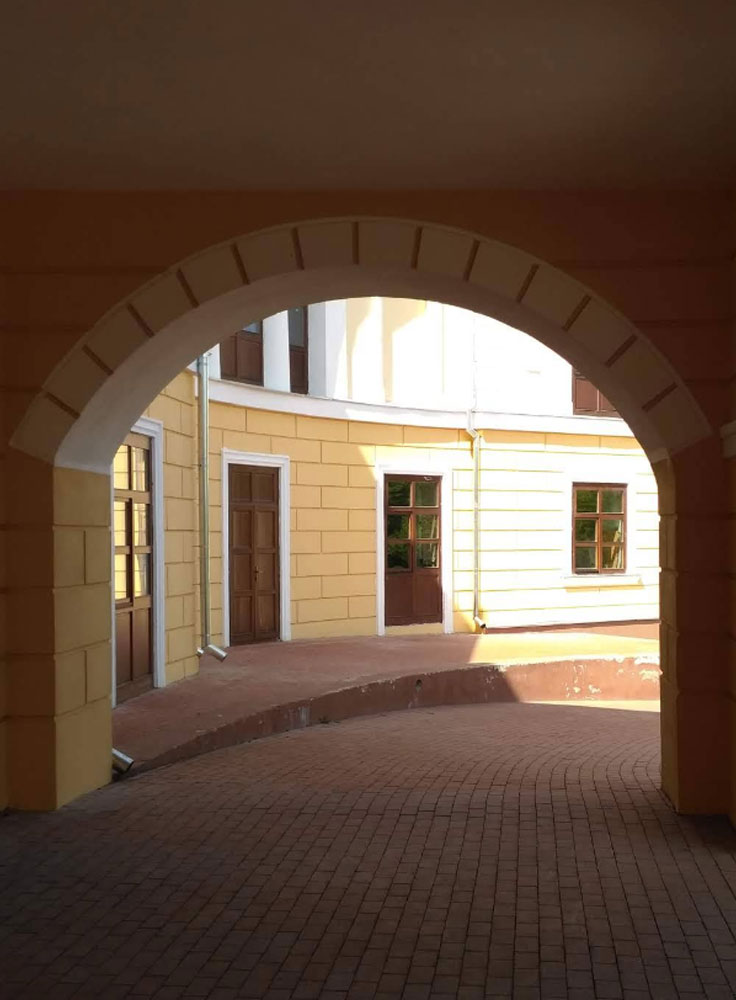
The palace is organized around a three-storey central block with symmetrically attached curved two-storey wings. This composition gives the residence a distinctly representative character and makes the front view especially photogenic. Historically, the palace was paired with a formal parterre in front and a park developing behind and to the sides of the main house.
Stylistic Traits
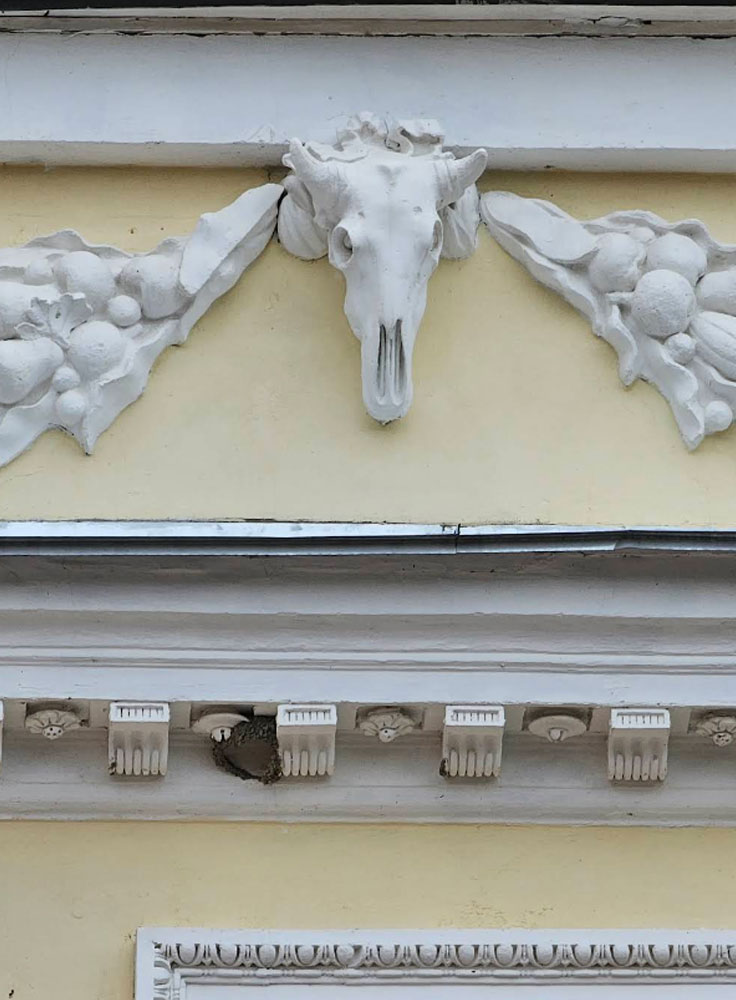
The monument is usually described as an example of early classicism. The museum’s architectural description points to ornamental details that stand out even by estate standards, including bucrania motifs and garlands on the cornices. Inside, the most memorable surviving elements are the stucco-rich ceremonial rooms, especially the oval and the so-called round salon, where decorative programs still communicate the former status of the residence.
State of Preservation
The palace remains legible as a major residence, but not all original features have survived. Some parts of the composition and interior organization were changed during later practical use, including the period when the building functioned as a school. Even so, the surviving halls, exterior silhouette and estate layout still make the site architecturally important at the scale of the Vinnytsia region.
Natural Surroundings
Park and Landscape
The historic estate included a park laid out behind and around the palace, with lime-tree alleys and a composition that evolved from a more regular scheme toward a landscape one. Museum materials also mention an orchard and a route leading toward a nearby water feature, which shows that the residence was conceived as a full palace-and-park environment rather than as a stand-alone building.
Appeal for Walks and Photography
For photographers, the strongest visual assets are the curved wings, the central volume and the open approach to the front façade. The place works best in late spring, summer and early autumn, when greenery helps reassemble the original logic of the residence. Even without a long landscaped walk, the grounds give enough space for a calm stop and exterior shooting.
Significance for Green Tourism
This is not a wild-nature destination, but it fits well into green and slow-travel routes because the visit is low-intensity, visually rich and easy to combine with other heritage sites of Vinnychchyna.
Video overview
Location on the map