Location: Khmilnyk
Period: 1911–1915
Architect: Ivan Fomin
Setting: Southern Bug River
Site overview
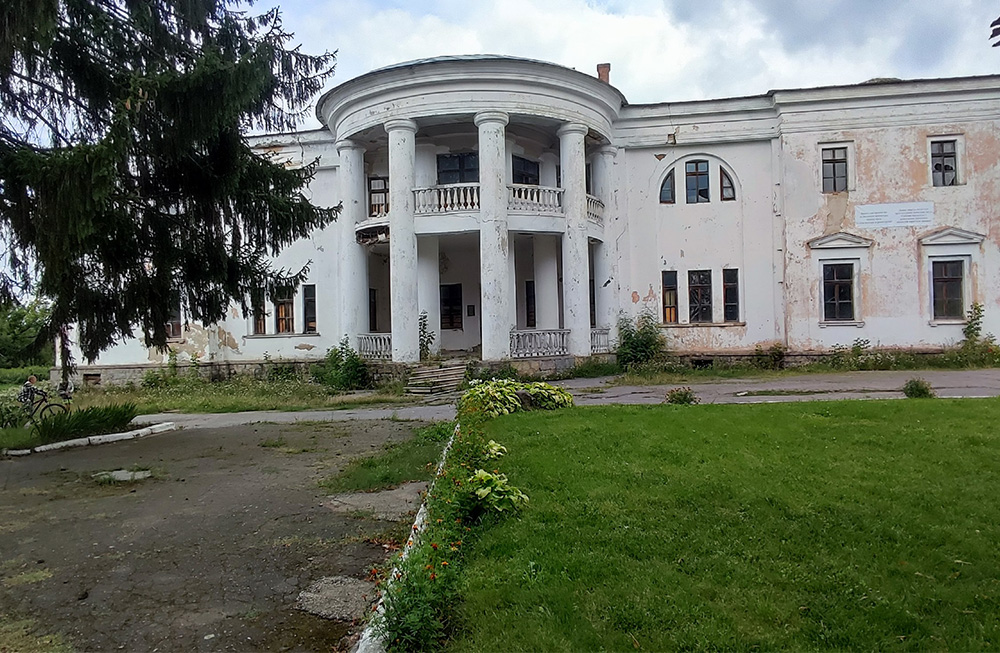
Count Ksido Palace is a manor-and-palace monument from the early 20th century in Khmilnyk, built in 1911–1915.
In public descriptions, the site is commonly associated with architect Ivan Fomin.
For green tourism, the location is valuable as a combination of a historic landmark and a natural setting.
Practical visit focus: viewing the architecture from several angles + a short photo walk around the grounds.
Photos
History
Construction and period
Reference sources indicate the construction period as 1911–1915.
Historical context: a private manor residence of the late imperial era with a representative function.
Owner and role of the estate
Local reference guides mention the owner Konstantin Ksido.
The estate is described as a private residence with a park-and-landscape component.
Events, functional changes, current condition
In the 20th century, the site may have changed functions (administrative/educational/utility uses), which is typical for palace buildings in the region.
Contemporary publications emphasize preservation issues and the need for repair and restoration work.
Architectural features
Style and composition
Descriptions refer to an eclectic mix with dominant Neoclassical elements and Renaissance motifs.
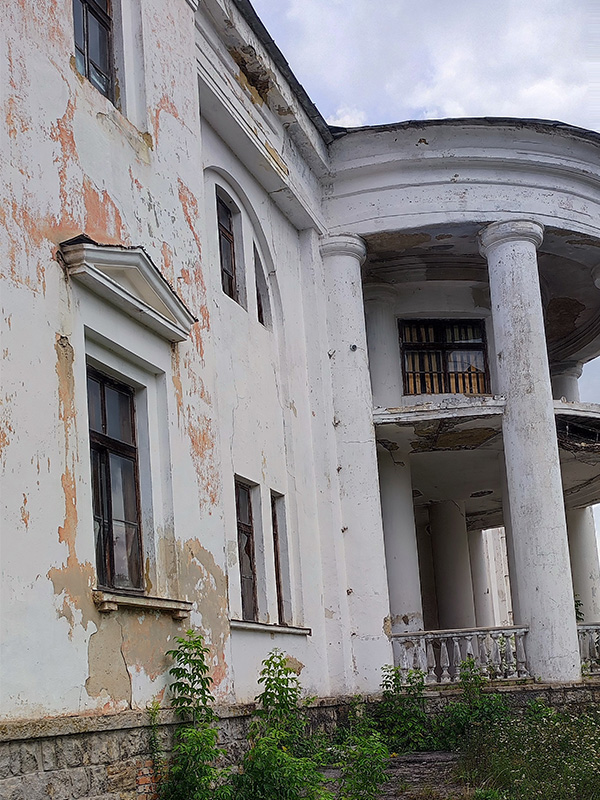
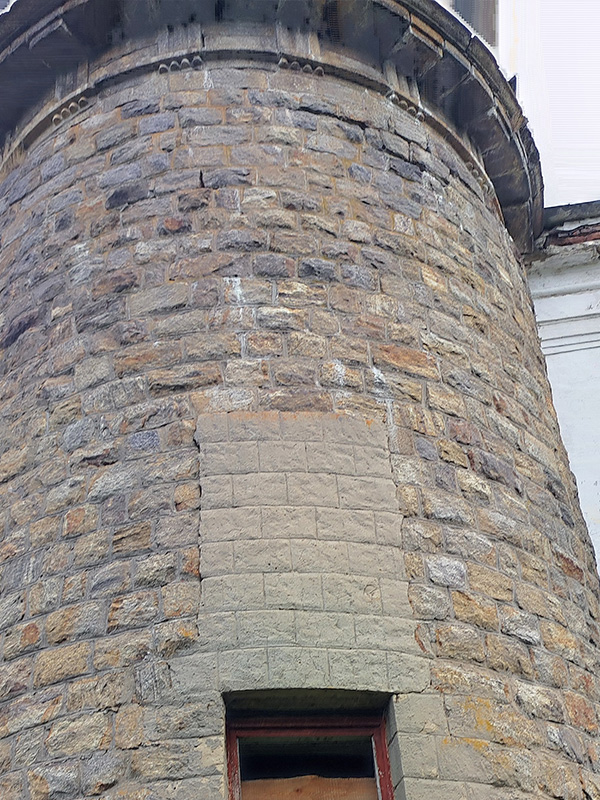
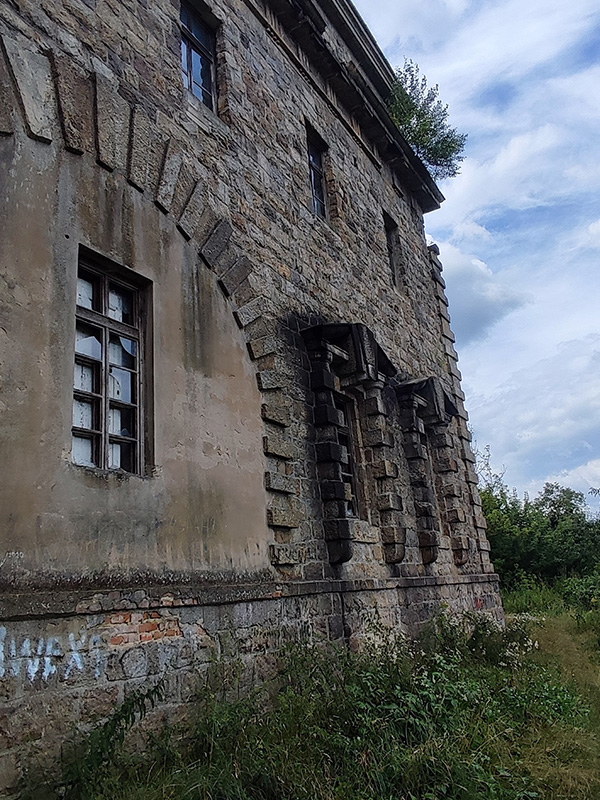
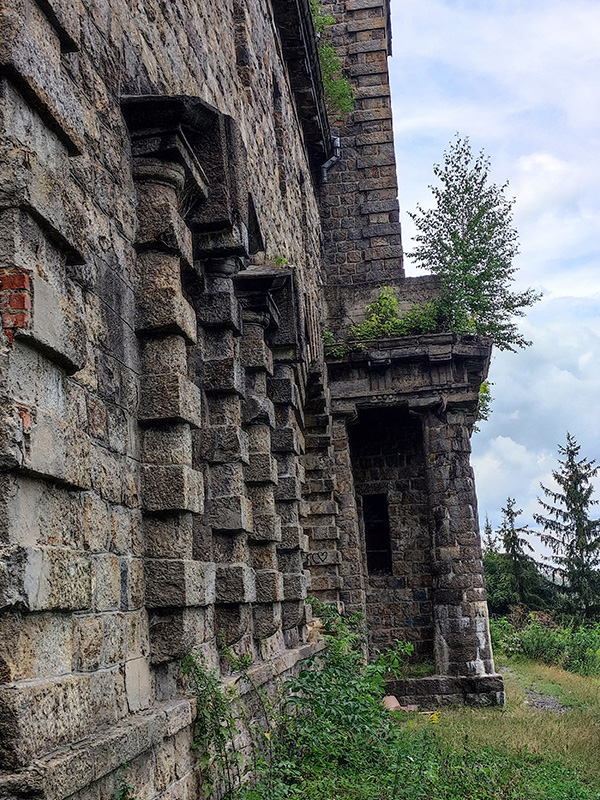
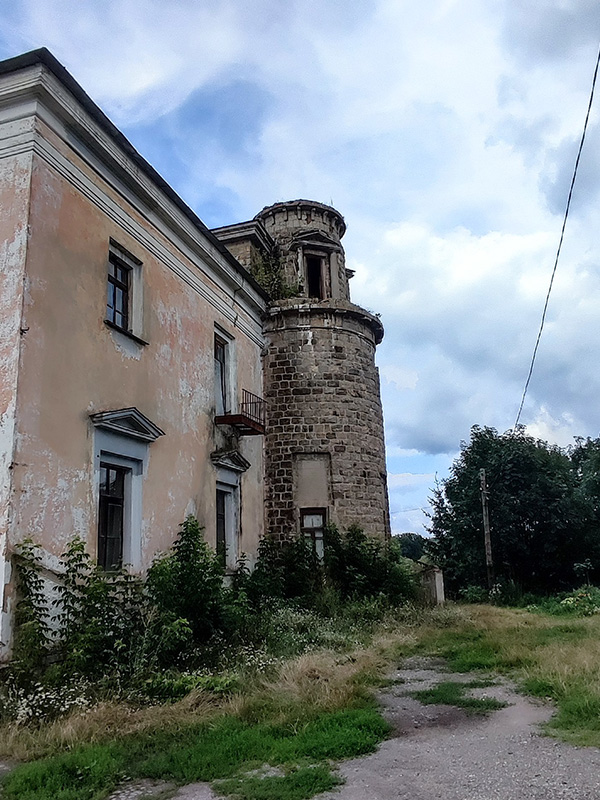
The key visual feature for visitors is the contrast of the facades, creating “two looks” depending on the viewpoint.
Elements worth examining
- Main facade: rhythm of openings, decorative plasticity, overall proportions.
- Alternative facade/viewpoint: documenting the “two images” of one building.
- Silhouette accents: reading both the “palatial” and conditionally “fortress-like” character.
Viewpoints (for route planning)
For a solid visit plan, include at least 2–4 stop points with clear photo angles.
Goal: show the facade differences and the site’s relationship with the landscape.
Natural surroundings
Landscape, park, water context
The site is best perceived as a “palace + natural environment” combination.
For green tourism, key aspects are walkable segments, viewpoints, and careful behavior without disturbing the grounds.
Eco-friendly visiting rules
- Prioritize walking routes.
- No littering; minimize noise.
- Photo walk without entering unsafe/restricted areas.
Tourist infrastructure
Visit format
Basic scenario: facade viewing → walk along the grounds/viewpoints → photo documentation → short wrap-up (historic context + safety notes).
Accessibility and navigation
Access parameters (visiting mode/entry/contacts) may change.
Route planning requires checking current conditions at the time of travel.
Risks and restrictions
- Possible access limits due to the technical condition.
- Do not enter hazardous areas; follow fences and barriers.
- Prioritize safe, open viewing points.
Expert analysis
Cultural value (brief, specific)
The site is significant as an example of early 20th-century manor-and-palace architecture and as a marker of an era when private residences combined representation with landscape scenography.
Practical value for green tourists
The main “reward” of the route is how the palace’s image changes with the viewpoint, plus the sense of scale within a natural setting.
This supports a short but information-dense photo itinerary.
Comparison table with other regional palaces
| Site | Period | Style | Key highlight for visitors | Visit format |
|---|---|---|---|---|
| Count Ksido Palace (Khmilnyk) | 1911–1915 | Eclectic (Neoclassicism + Renaissance motifs) | Facade contrast; different image from different viewpoints | Viewing + photo walk (2–4 stops) |
| Potocki Palace (Tulchyn) | 18th c. (often cited as 1782) | Classicism | Scale of the ensemble; “grand residence” effect | Ensemble viewing + reference-guided tour |
| Voronovytsia Palace (Grocholski–Mozhaisky) | 18th century | Classicism | Manor classicism + museum potential (if accessible) | Viewing + museum component |
| Komar Palace (Murovani Kurylivtsi) | Early 19th c. (often cited as 1805) | Classicism | Palace in a historic landscape; manor context | Viewing + walk around the grounds |
FAQ
When was Count Ksido Palace built?
Reference sources indicate the period 1911–1915.
Who is considered the architect of the project?
Public descriptions most often name architect Ivan Fomin.
What is the main architectural “highlight”?
The contrast of the facades: from different viewpoints the building looks different, creating a “two-image” effect.
How much time should I plan for a visit?
A typical green-tourism visit: 45–90 minutes (viewing + short photo walk).
What restrictions should I keep in mind?
Due to preservation condition, access may be limited; prioritize safe open viewpoints and follow barriers.
Sources
Video overview
Location on the map