Location: Stara Prylu ka village
Style: Neo-Baroque / Historicism
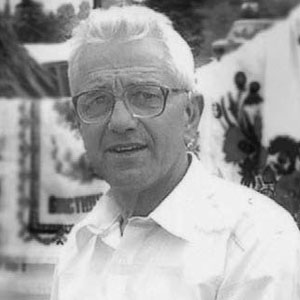
Owner: Serhii Mering
Event: reconstruction 1905–1906
Site overview
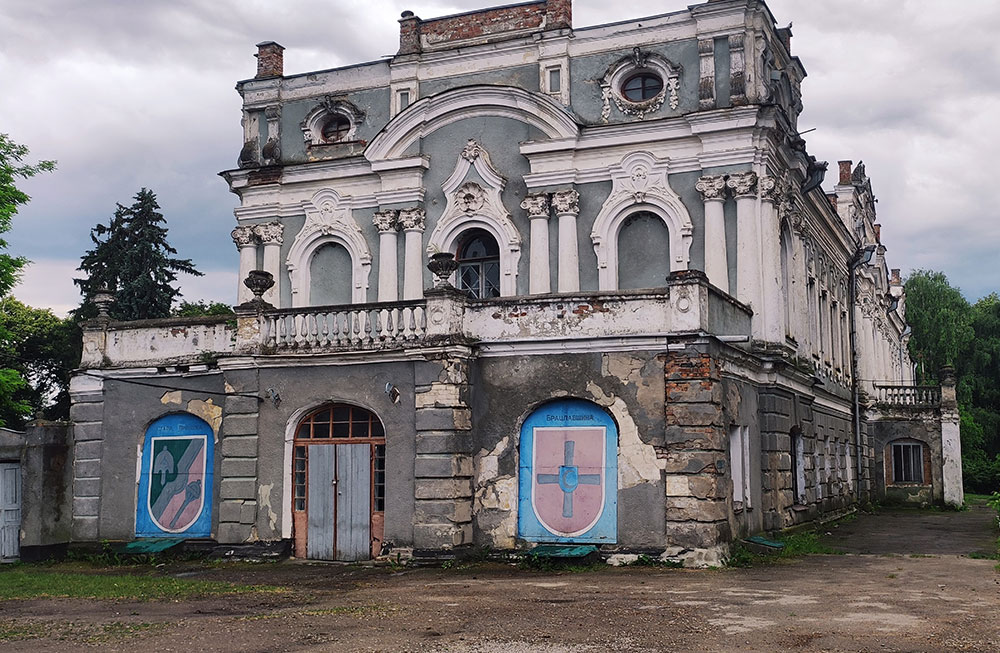
Mering Palace is a manor-and-palace complex in the village of Stara Prylu ka, known as a Neo-Baroque reworking of an earlier residence.
Reference materials state that in 1905 the estate passed to Serhii Mering, after which the palace was rebuilt and acquired its present-day appearance (some descriptions cite 1906 as a key date for reconstruction/facade finishing).
References: landmarks.in.ua,
vandrivka.com.ua,
Wikipedia (Staropryluka Palace).
Recommended green-tourism format: a calm viewing of the facades and overall composition + a short walk around the former manor-park area (along accessible paths) + photo documentation of details.
Photos
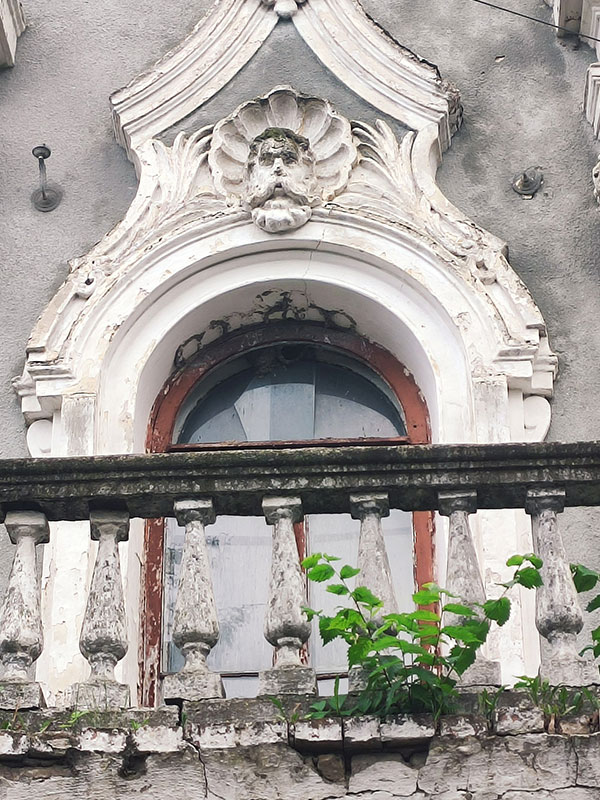
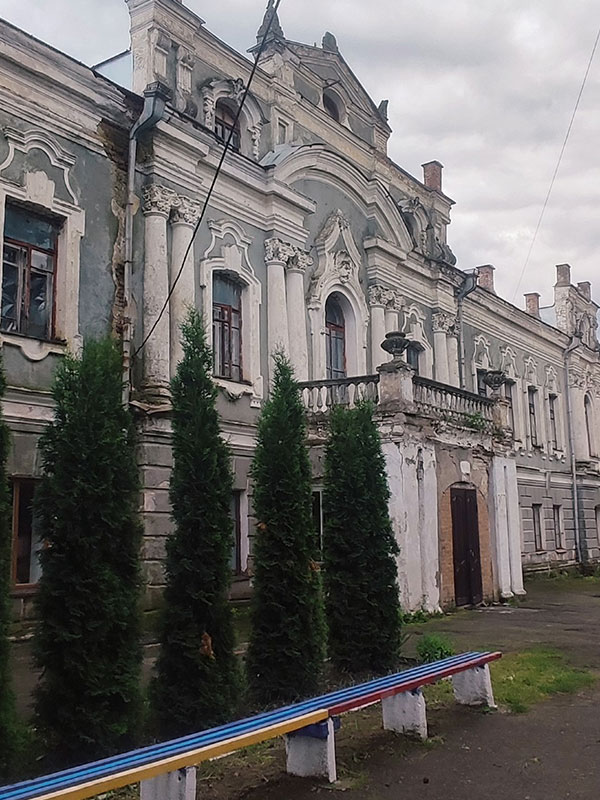
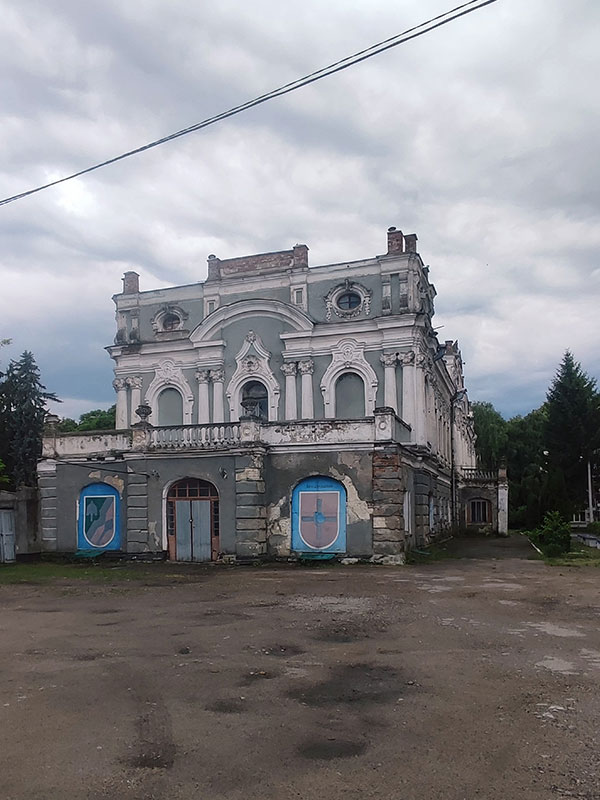
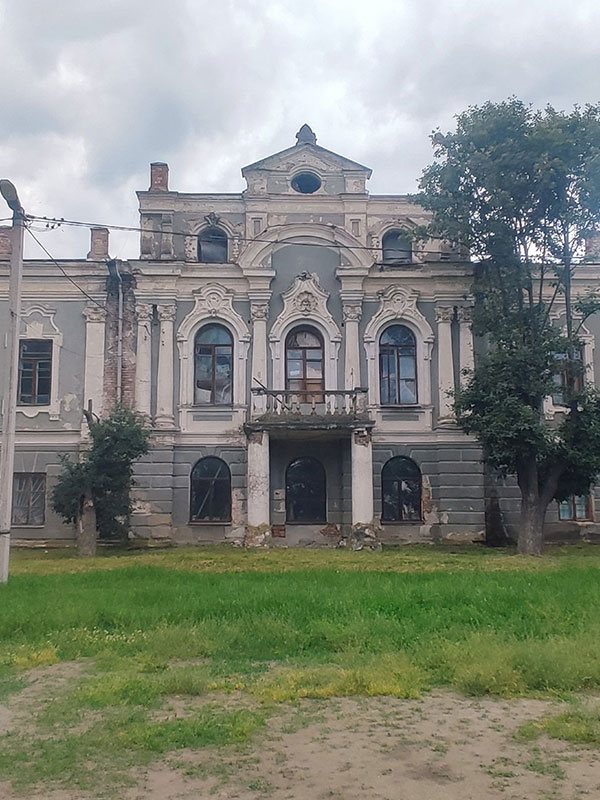
History
Early stages of the estate
Historical references mention an earlier residence on the site of Stara Prylu ka and multiple reconstructions of the complex across different periods.
A general outline of the early history: Wikipedia,
discover.ua.
Transfer to Mering and reconstruction
According to landmarks.in.ua, in 1905 the palace/estate became the property of Serhii Mering, after which a reconstruction was carried out to give the building a more refined appearance;
the source also mentions an orientation toward the Mariinsky Palace in Kyiv and a design connection with Karl Maievskyi.
Source: landmarks.in.ua.
20th-century events and current status
Publications about the location emphasize changes of function during the 20th century and preservation challenges.
For visit planning, it is important to account for current access restrictions and the condition of specific areas.
Reference overviews: huxley.media,
Ukraina Incognita.
Architectural features
Style and prototype
In tourist and local-history descriptions, the palace is characterized as Neo-Baroque/Historicism and is linked by image to the Mariinsky Palace in Kyiv.
Reference links: vandrivka.com.ua,
huxley.media,
Ukraina Incognita.
Composition and viewing elements
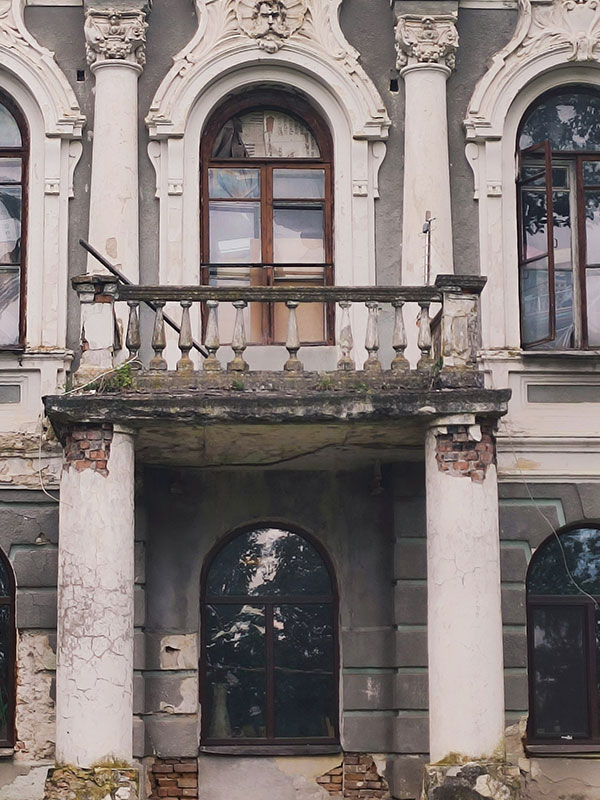
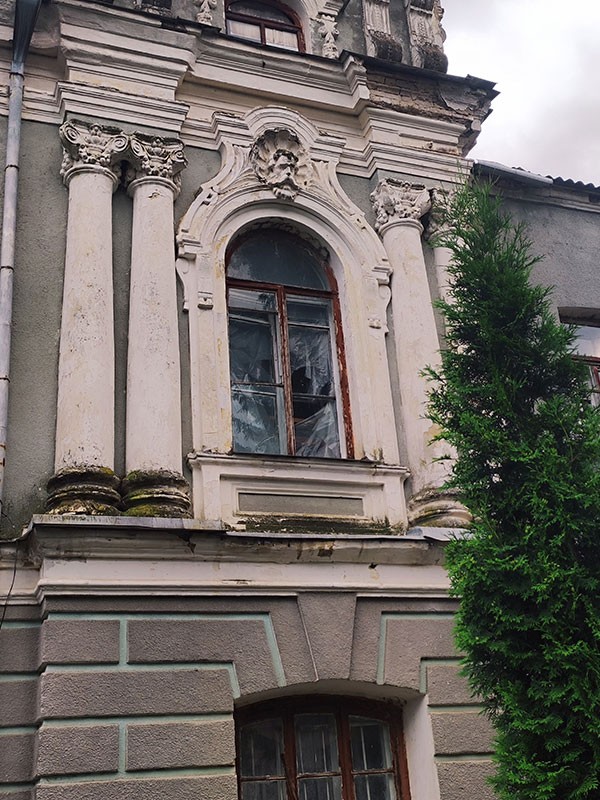
- Main facade: rhythm of openings, decorative plasticity, Baroque motifs.
- Side angles: checking symmetry/asymmetry and reading the volume.
- Details (window frames, cornices, stucco): targeted photo documentation.
Interiors (what can be confirmed by sources)
Some sources mention Neo-Moorish motifs in the interiors, while noting partial loss and fragmentary preservation.
Reference: Ukraina Incognita.
Natural surroundings
Manor park and landscape
The site is perceived as a “palace + former manor/park territory” combination.
For green tourism, key points are walkable segments, quiet behavior, no interference with the environment, and respect for on-site rules.
Eco visit protocol
- Walk on foot; avoid driving onto green areas.
- Zero waste: take out everything you bring in.
- Photo viewing without entering restricted/unsafe zones.
Tourist infrastructure
Visit format
Basic scenario: facade viewing → walk along accessible parts of the grounds → detail photos → brief summary of history and architecture.
Accessibility and navigation
Access conditions and viewing possibilities may change.
Route planning requires checking current rules and conditions for the travel date.
Reference card: discover.ua.
Risks and restrictions
- Possible limits due to the technical condition of certain elements.
- Prioritize safe viewpoints; follow fences and warnings.
- Plan visits during daylight hours.
Expert analysis
Cultural value (applied wording)
Mering Palace is valuable as an example of manor architecture that went through multiple rebuilding phases, and as a visually coherent result of an early 20th-century reconstruction,
using a recognizable Neo-Baroque language and an orientation toward a capital-city prototype (the Mariinsky Palace).
Value for a green-tourism route
The location supports a compact, “not overloaded” scenario: architectural viewing + a walk + photos.
For content and guided text, it is optimal to separate: (1) owners/rebuilding timeline, (2) style and prototype, (3) current preservation state and responsible visiting rules.
Comparison table with other regional estates
| Site | Key reconstruction/formation period | Style (general) | Key highlight for visitors | Visit format |
|---|---|---|---|---|
| Mering Palace (Stara Prylu ka) | 1905–1906 (in sources) | Neo-Baroque / Historicism; oriented to the Mariinsky Palace | A “Podillia sibling” of the Mariinsky Palace; photogenic facade | Short viewing + photos + walk along accessible grounds |
| Potocki Palace (Tulchyn) | 18th century (often cited as 1782) | Classicism | Ensemble scale and ceremonial character | Long route + guided narrative |
| Voronovytsia Palace (Grocholski–Mozhaisky) | 18th–19th centuries (varies by source) | Classicism | Manor architecture + museum potential | Viewing + museum component (if accessible) |
| Komar Palace (Murovani Kurylivtsi) | Early 19th century (often cited as 1805) | Classicism | A palace set within a historic landscape | Viewing + walk around the grounds |
Note: parameters for comparison sites should be finally verified against their dedicated cards/sources before publication.
FAQ
Where is Mering Palace located?
Location: the village of Stara Prylu ka (according to reference sources about the site). Reference: landmarks.in.ua.
Which date is considered key for the palace’s present-day appearance?
Sources mention the period after the estate passed to Serhii Mering (1905) and reconstruction/finishing in 1906. References: landmarks.in.ua, vandrivka.com.ua.
What style is the palace built in?
Most often it is described as Neo-Baroque/Historicism, with stylistic orientation toward the Mariinsky Palace in Kyiv. References: huxley.media, Ukraina Incognita.
How much time should I plan for a green-tourism visit?
Practical range: 45–90 minutes (facade viewing + walk around accessible grounds + photos).
What restrictions should I keep in mind?
Due to preservation issues, access may be limited and some zones may be unsafe; prioritize safe viewpoints and follow fences/on-site rules.
Sources
-
- landmarks.in.ua — Stara Prylu ka (historical reference on the palace and reconstruction)
- vandrivka.com.ua — Mering Palace (dates/style in a tourist description)
- Wikipedia — Staropryluka Palace (owners/rebuilding outline)
- discover.ua — Mering Palace (reference card)
- huxley.media — overview of the Mering legacy and the palace condition
- Ukraina Incognita — material about the palace and stylistics
Video overview
Location on the map