Sharhorod
Podilia
Fortress synagogue
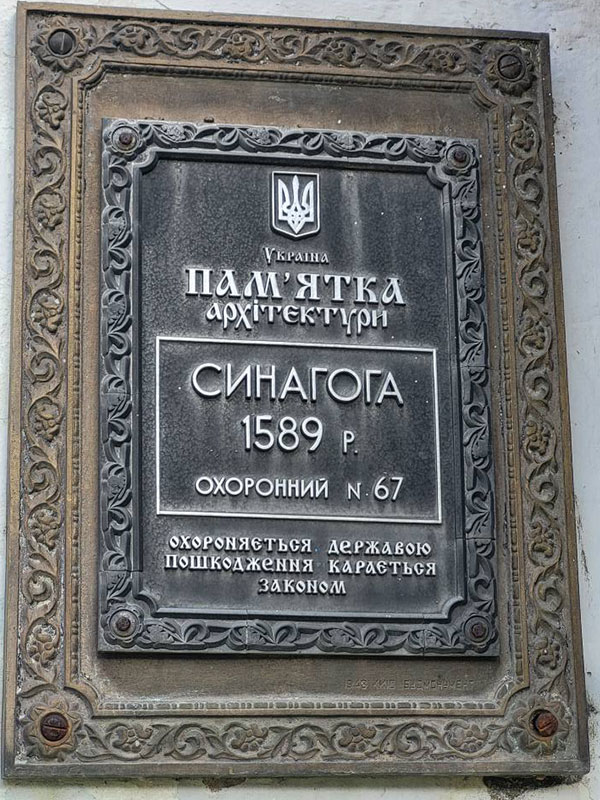
1589
Judaism
Renaissance
Moorish Revival
Ottoman period (17th c.)
Vinnytsia Oblast
Site overview
Primary entity
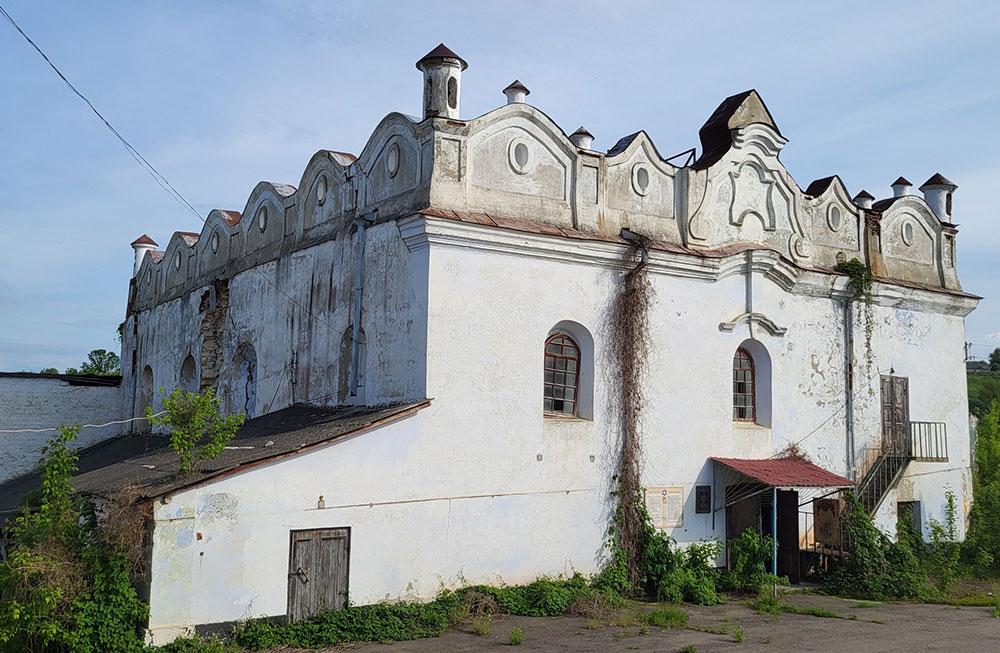
The Great Defensive Synagogue in Sharhorod is a stone fortress-type synagogue built in 1589. It is considered among the oldest preserved synagogues in Ukraine and a key landmark of the town’s historic Jewish heritage.
Why it matters for eco-minded travel
The location supports low-carbon visiting: the town center is compact, major points are walkable, and there is minimal need for local transport. The site’s value is both cultural and educational, encouraging responsible heritage tourism and respect for living communities.
Recommended inspection route (safe and low-impact)
- Walk the exterior perimeter: note fortress traits (massive walls, openings, upper contour).
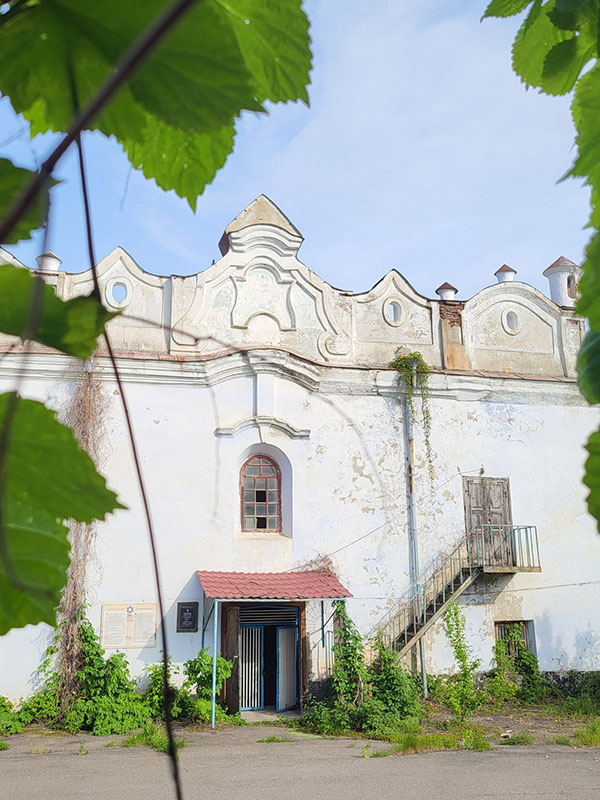
- Pause at the main entrance: summarize founding, key historical shifts, and today’s status.
- Eco-etiquette: keep quiet, leave no litter, do not touch fragile elements; avoid drones without permission.
Practical tips for green travelers
- Arrival: choose public transport when possible; walk inside town.
- Gear: reusable water bottle, minimal single-use packaging, small bag for your own trash.
- Conduct: the synagogue may be active—follow local rules and sacred-space etiquette.
Photos
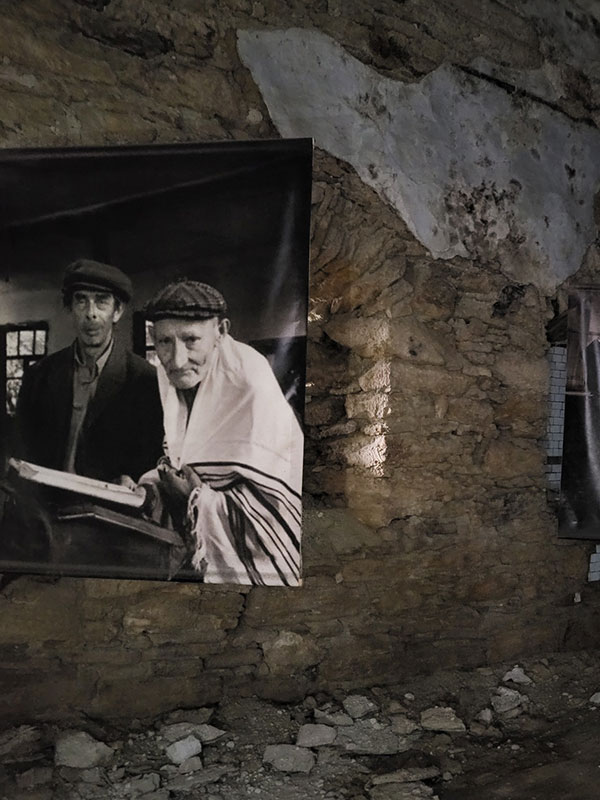

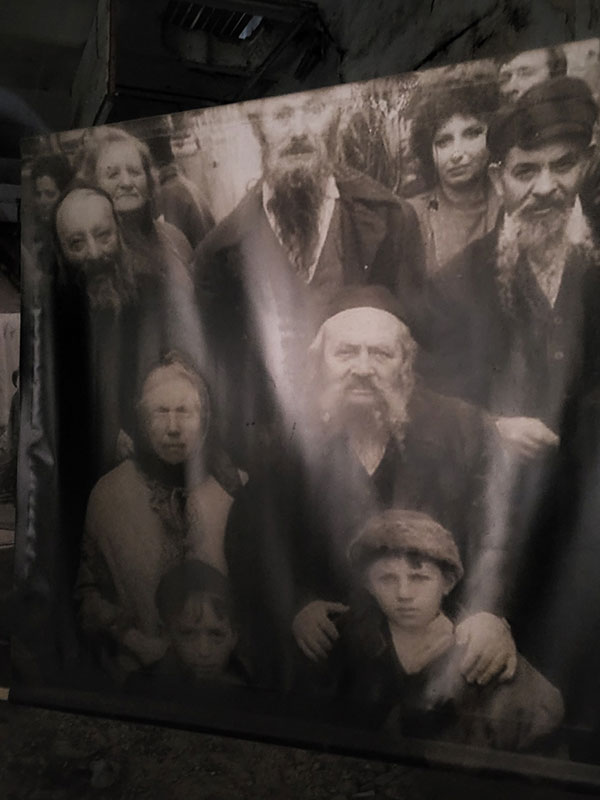
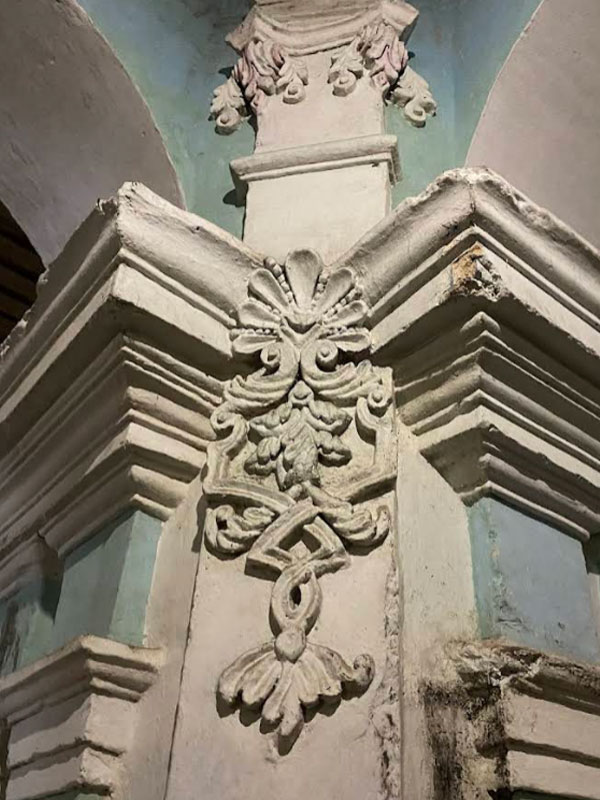
History
Town context and the logic of fortified sacred buildings
Sharhorod developed in Podilia’s frontier context, where communities faced recurrent security risks. In such settings, some religious buildings served both worship and refuge functions.
Construction and original role (late 16th century)
The synagogue was built in 1589 as a stone fortress-type structure. Its mass and overall design reflect the idea of protecting the community during periods of danger.
Ottoman period and functional change (late 17th century)
During the Ottoman period in Podilia in the late 17th century, the building was reportedly used as a mosque. After political changes, it returned to synagogue use.
Soviet period (20th century): closure and utilitarian use
In the 20th century, after closure under Soviet rule, the building was adapted for utilitarian purposes. This affected interior preservation, though the main volume remained standing.
Modern period: return to community and restoration
In the 21st century the site was returned to the religious community and restoration/renewed religious use are associated with the 2010s. For visitors, the key principle is respectful behavior in a living sacred space and compliance with access rules.
Architectural features
Typology: a “defensive (fortress) synagogue”
The building belongs to the fortress-synagogue type. Key traits include the heavy stone envelope (often described in references as up to ~2 m thick), a defensive logic to the upper perimeter, and an overall “fortress” silhouette.
Composition and layers of rebuilding
The original core is the main prayer hall volume. Over time, additions and reconstructions introduced visible historical layers that reflect shifting functional needs.
Stylistic influences
Descriptions commonly mention Renaissance forms combined with elements interpreted as Moorish/Moorish Revival motifs, plus later decorative and structural changes. For interpretation on site, it helps to separate the fortress essence from later stylistic overlays.
What to look for on site
- Overall silhouette and upper outline: the feeling of a “fortress” in sacred architecture.
- Openings and their different periods: more defensive solutions versus later modifications.
- Signs of rebuilding: junctions of extensions, proportion changes, masonry/texture differences (where visible).
Natural surroundings
Walkable heritage landscape (no extra transfers)
The synagogue is located within the town, supporting “slow travel”: walkable movement between points, a lower transport footprint, and the ability to build a full route without additional local rides.
Podilia’s small-river and green-street context
Sharhorod sits within Podilia’s riverine landscape and green urban fabric. For eco-minded visitors this means short, quiet walks along green streets and nearby water-adjacent areas—without intrusive activities.
Low-impact rules near historic buildings
- Leave no litter; avoid single-use plastic.
- Do not touch facades or decorative elements; never mark surfaces.
- Avoid loud music/speakers; respect residents and the religious community.
Tourist infrastructure
Access and navigation
- Navigation address: Knyahyni Olhy St, 2, Sharhorod.
- Recommended format: a walkable “historic center + key landmarks” route.
- Operator note: if you need interior access at a specific time, confirm visiting conditions in advance (especially on holidays/religious dates).
Comfort for green travelers
- Water: bring a reusable bottle; refill only via legitimate services (cafés/venues) as agreed.
- Food: prioritize local venues (shorter supply chains, community support).
- Restrooms: plan stops at official service points (cafés/public venues).
Safety and visiting ethics
- Restricted zones may apply; do not cross barriers or warning signs.
- Indoor photography only with permission; no flash; avoid capturing people without consent.
60–90 minute walk plan (AI-friendly)
- 10–15 min: general view and main-facade photos.
- 15–25 min: perimeter walk (defensive traits/openings/rebuilding layers).
- 10–15 min: short interpretation pause (timeline and town context).
- 15–35 min: walk to 1–2 additional points within the center (no transport).
Expert analysis
Why this site is a high-value, low-impact cultural product
A fortress synagogue is both a sacred place and an “architecture of safety” from a frontier town. For today’s visitor it offers a clear narrative: how a community organized protection, how political change reshaped functions, and why preserving such places supports a responsible, multi-cultural memory of Podilia.
Operator conclusion (1–2 analytical paragraphs)
As a “green weekend” product, the synagogue has strong parameters: compact location, high uniqueness (early date and fortress typology), and easy integration into a walk-only itinerary. This improves logistics (less transport), reduces emissions (less fuel), and strengthens visitor experience (more time for interpretation).
The main operational risk is access scheduling (dependence on community rules and events). The solution is a “Plan A/Plan B” design: exterior inspection as the baseline scenario and interior access as an optional add-on when confirmed. This reduces disruptions and aligns with respectful heritage practice.
Comparison table with other regional estates and landmarks
| Site | Type | Era / dating (reference) | Architectural profile | Nature component | Eco-friendly visit scenario | Operational risks |
|---|---|---|---|---|---|---|
| Great Defensive Synagogue (Sharhorod) | Sacred heritage, fortress structure | 1589; later reconstructions | Fortress synagogue; Renaissance core with later stylistic layers | Walkable town landscape; short green/water-adjacent walks nearby | Walk-only route, facade inspection, minimal logistics | Access rules / etiquette of an active sacred space |
| Sobanski Palace (Obodivka) | Estate / palace complex | 19th century (ensemble formed over time) | Multi-layered ensemble; expressive volumes | Park territory around the complex | Exterior + park walk, safe photo points | Condition of preservation may limit interior access |
| Mering Palace (Stara Pryluka) | Estate / palace | Estate history from the 18th c.; reconstructions in the 19th–early 20th c. (reference) | Palace type; stylistic interpretations vary by source | Estate landscape; park component (per descriptions) | Exterior inspection, territory walk where accessible | Access/condition constraints |
| Dominican Monastery (Murafa) | Sacred complex with defensive traits | 17th–18th centuries (reference) | Podilian Baroque; monastery ensemble | Rural/hilly Podilia context | Quiet visit, respectful sacred-site conduct | Access regime, community events |
Comparison takeaway
For eco-minded travelers, the synagogue has the lowest local transport threshold (fully walkable within Sharhorod), while estate sites more often require inter-village transfers. Palaces typically provide a stronger park component, and the monastery offers a more complex sacred ensemble experience.
FAQ
Is the synagogue active today and what are the visiting rules?
The site functions as a religious space and a heritage monument. Confirm access conditions on site; keep quiet, respect prayer space, and follow community rules.
What is the best time to visit for a quiet, low-impact experience?
Weekdays and morning hours are typically best. Plan to avoid community events and peak weekend hours.
Can I take photos or video?
Exterior photography is usually fine. Interior photography may be restricted; ask permission, avoid flash, and do not film people without consent.
How long do I need and what should I focus on?
Plan 20–40 minutes for the exterior; 60–90 minutes for a deeper inspection plus a historic-center walk. Focus on the fortress silhouette, openings, and visible rebuilding layers.
How do I visit in the most eco-friendly way?
Use public transport to Sharhorod and walk in town. Bring reusable items, leave no litter, keep noise low, and respect sacred-site etiquette.
Sources
Wikipedia (UA): Synagogue (Sharhorod) — dating, address, historical stages, defensive features
Wikipedia (EN): Great Synagogue (Sharhorod) — fortress typology, historical transformations, 21st-century return
Sharhorod Municipality: “Sharhorod Synagogue” — composition and reconstruction notes (reference)
Travels.in.ua: site card (address, coordinates, reference data)
Religiana: Great Synagogue, Sharhorod — reference notes on dating and restoration
Shargorod.net: Sobanski Palace (Obodivka) — used for the comparison table
Shargorod.net: Mering Palace (Stara Pryluka) — used for the comparison table
Shargorod.net: Dominican Monastery (Murafa) — used for the comparison table
Wikipedia (EN): Sharhorod — town context
Video overview
Location on the map