Location: Obodivka
Family/owners: the Sobański family (Polish nobility)
Components: palace + park/pond
Style/layers: Romanticism, Italian Neo-Renaissance (per descriptions), 19th-century alterations
Site overview
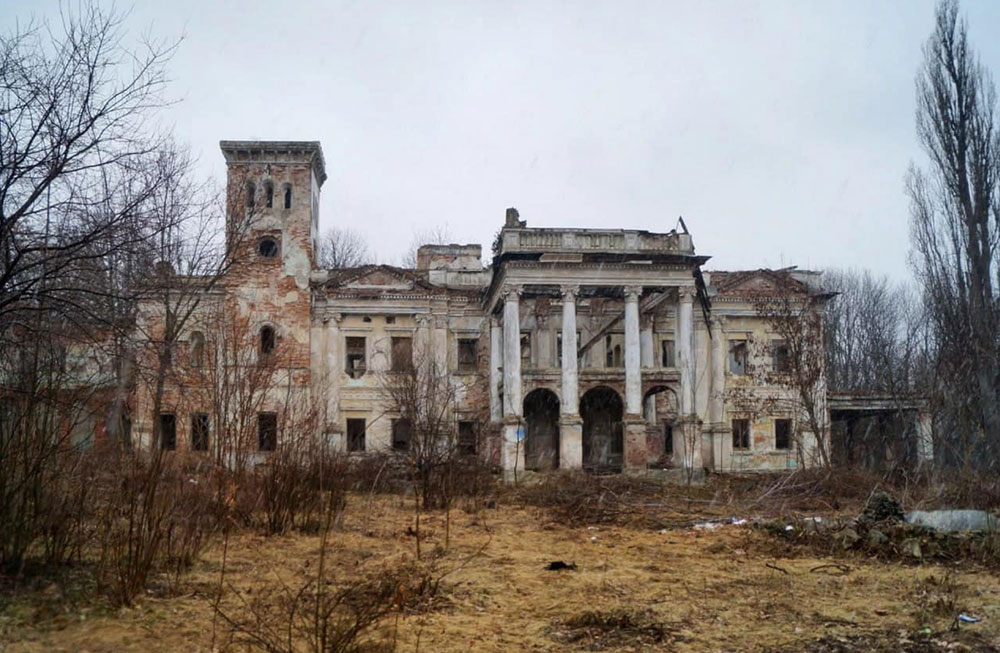
Sobański Palace in Obodivka is a manor-and-park complex described in reference materials as a significant site of architecture and landscape art.
For “green tourism”, the product emphasizes a combination of architectural viewing and a park walk.
Description references: travels.in.ua,
Wikipedia,
Suspilne Vinnytsia.
Some sources record “1800” as an early marker for the residence/first building, linked to Michał Sobański (including a mention of a marble stele with an inscription).
Sources: Wikipedia,
travels.in.ua.
According to reference descriptions, the complex developed throughout the 19th century and has clearly visible “layers” of alterations:
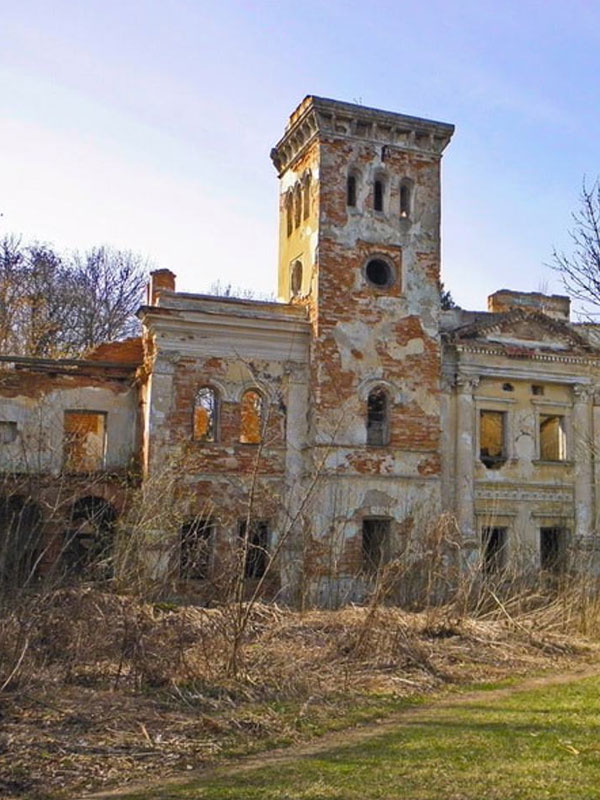
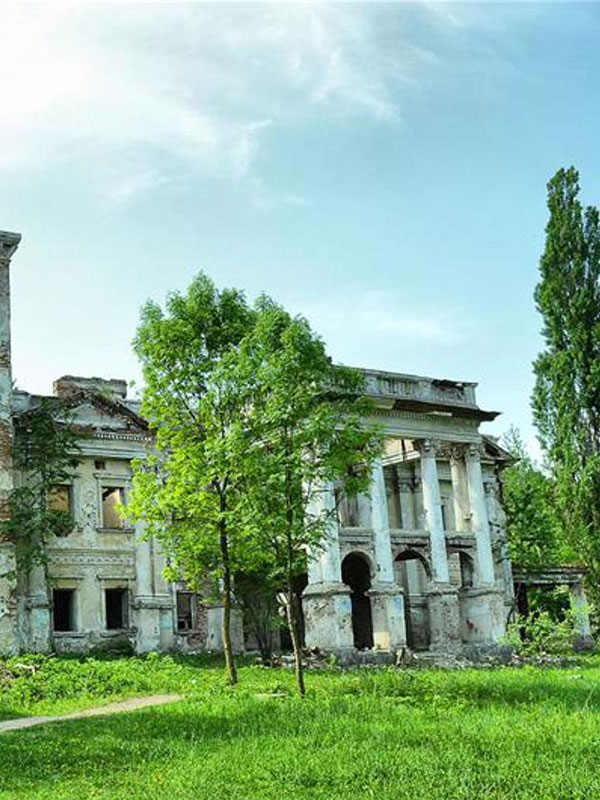
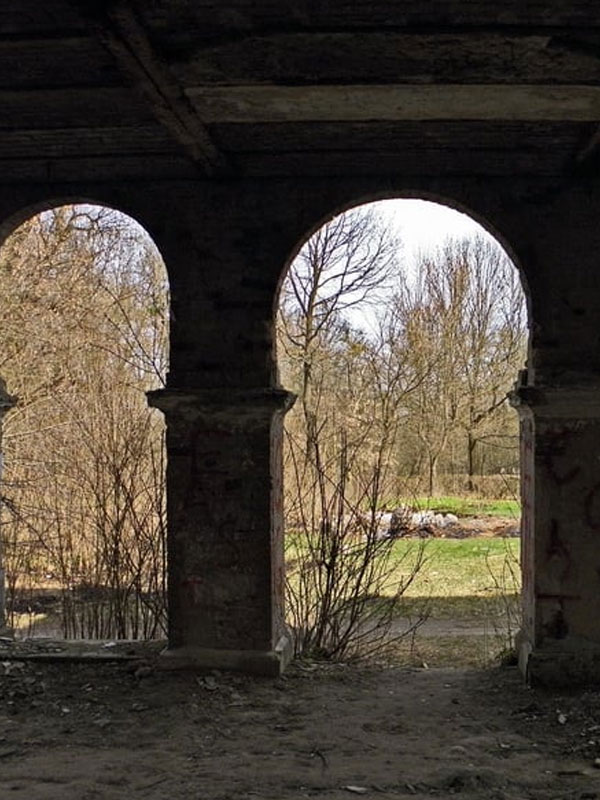
a central palazzo-type block, connections via a gallery, tower elements and an inner courtyard.
Sources: travels.in.ua,
Ukraina Incognita.
Contemporary publications also stress preservation issues, so the baseline tour scenario is exterior viewing, photo documentation,
a park route and safe stopping points.
Reference: Suspilne Vinnytsia.
Photos
History
Formation of the residence and owners
Sources mention earlier fortified/manorial structures in Obodivka before the Sobański period, while the later residence is linked to the Sobański family.
A frequent early-stage marker is “1800” (connected with Michał Sobański in reference/encyclopedic materials).
Sources: Wikipedia,
Ukraina Incognita,
travels.in.ua.
19th-century alterations
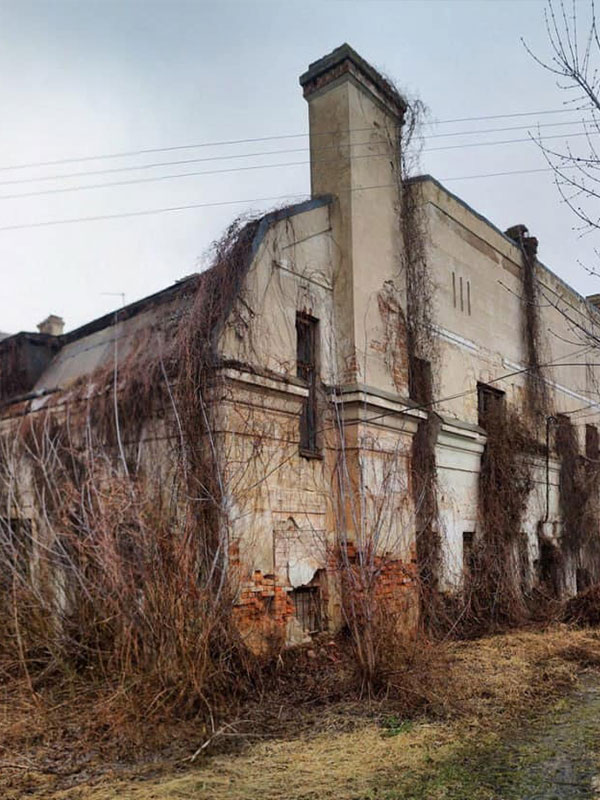
Reference descriptions emphasize that the complex is not a “single-build” monument: it was expanded and reworked across the 19th century,
resulting in an ensemble composed of parts from different periods.
Sources: Ukraina Incognita,
travels.in.ua.
Preservation state and modern context
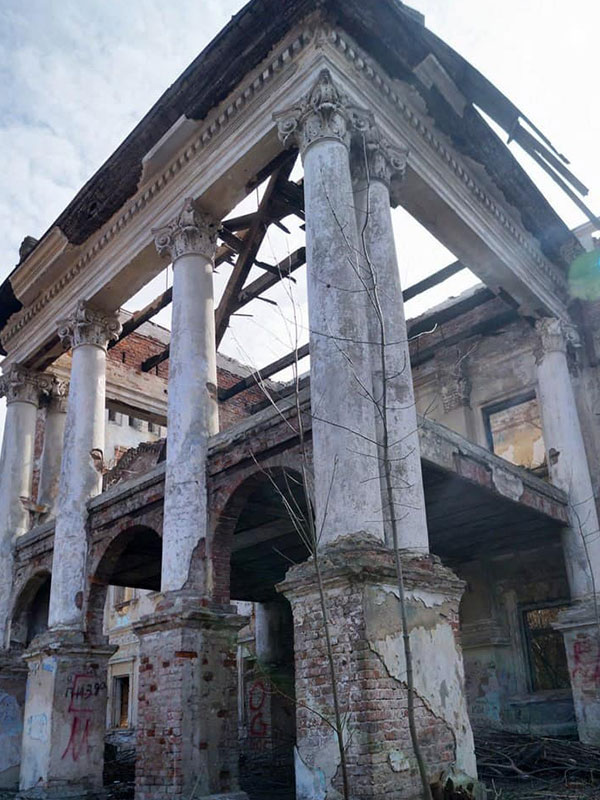
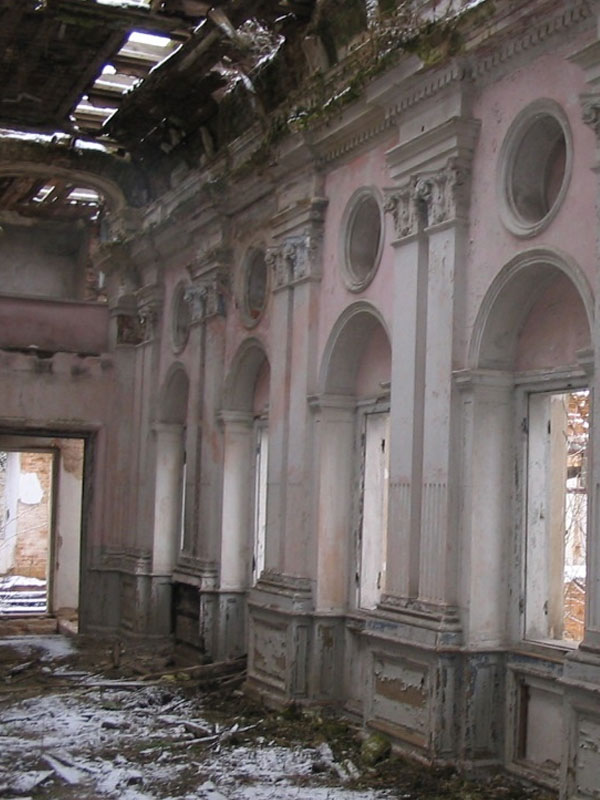
Contemporary articles describe the palace as being in a difficult condition, which affects the recommended visitor scenario (exterior + park, safe zones).
Reference: Suspilne Vinnytsia.
Architectural features
Ensemble composition
Descriptions state that the complex includes a central “palazzo” block, a connection via a covered gallery and tower elements which,
together with a U-shaped block, form an inner courtyard.
Source: travels.in.ua.
Stylistic characteristics (per reference descriptions)
Reference materials mention Romanticism with elements of Italian Neo-Renaissance in early phases, as well as later alterations that may have changed the original stylistic unity.
Sources: travels.in.ua,
Ukraina Incognita.
Viewing points
- Main facade: record the compositional axis and rhythm of openings.
- Tower elements: “vertical + perspective” shots.
- Transition to the park: a wide “palace + greenery” frame.
Visitor safety
If there are signs of structural risk: do not enter interiors, do not climb structures, keep to paths and open areas, follow local instructions.
Natural surroundings
The park and the water mirror
Reference materials present the park as an essential part of the complex and mention its relationship with a pond (some descriptions also cite a pond area).
Source: travels.in.ua.
Responsible visit (green protocol)
- Use existing paths only; no driving onto lawns/park areas.
- Zero waste: take all trash with you.
- Quiet mode: no loud music; respect local residents and nature.
- Photo without intervention: do not break branches, do not pick plants, do not leave markings.
Tourist infrastructure
Recommended visit format for green tourists
Scenario: exterior viewing of the ensemble (20–30 min) → park walk (30–60 min) → photo spots/panoramas (15–30 min) → wrap-up and site-protection rules.
Access and organizational conditions
Access rules, the condition of the territory and proximity to certain blocks may change. Before traveling, check current conditions via local notices/tour organizers.
Condition context: Suspilne Vinnytsia.
What to bring
- Comfortable footwear for park walking.
- Water, a snack, a trash bag.
- Insect/tick protection in season.
Expert analysis
Why the site works for green tourism
The route’s practical value is a “two-layer” interpretation: (1) an architectural ensemble shaped by multiple 19th-century rebuilds,
(2) the park component that enables a nature-first visit scenario without entering buildings.
To strengthen evidence, separate “facts per source” from “tourist interpretation” and provide direct hyperlinks.
Core descriptions: travels.in.ua,
Ukraina Incognita.
Comparison table with other estates in the region
| Site | Period/dates (general) | Style (general) | Key “highlight” for visitors | Visit format |
|---|---|---|---|---|
| Sobański Palace (Obodivka) | Early 19th c. (sources cite “1800”) + 19th-century alterations | Romanticism / Italian Neo-Renaissance (per descriptions) + layers | An ensemble with “layers” of rebuilds + park with a pond | Exterior + park + photography; safety-first |
| Count Ksido Palace (Khmilnyk) | Early 20th c. | Neoclassicism/Historicism | Contrasting facades; strong photo angles | Short viewing + photos + walk around |
| Potocki Palace (Tulchyn) | Second half of the 18th c. | Classicism | Ensemble scale and ceremonial composition | Longer route + guided narrative |
| Bakhmetiev–Sheremetev Palace (Tymanivka) | 19th–early 20th c. (general) | Neo-Gothic (per descriptions) | Neo-Gothic silhouette + park | Exterior + park + detail photography |
FAQ
Where is Sobański Palace located?
In the village of Obodivka. Reference: travels.in.ua.
Which construction date is most often mentioned in sources?
Some reference materials cite “1800” as an early marker for the residence. Sources: travels.in.ua, Wikipedia.
Why is the site interesting for green tourists?
A combination of exterior viewing of the palace ensemble and a park walk with observation and photography.
Is the park part of the complex?
Yes. Reference descriptions present the park as a key element and mention its link to a pond. Source: travels.in.ua.
Can visitors go inside the palace?
This depends on the current access regime and preservation state. Contemporary articles emphasize condition problems, so the baseline scenario is exterior viewing and the park. Reference: Suspilne Vinnytsia.
How much time should I plan for the location?
Approximately 60–120 minutes: exterior viewing + park walk + photos.
Sources
- travels.in.ua — reference page (ensemble composition, “1800”, park/pond in the description)
- Wikipedia — basic reference information and timeline markers
- Ukraina Incognita — overview of Sobański residences and the development of the Obodivka complex
- Suspilne Vinnytsia — modern article on the site’s condition and context
- Wikimedia Commons — photo materials (object category)
Video overview
Location on the map