Budne
Sharhorod Urban Community
Zhmerynka District
Podillia
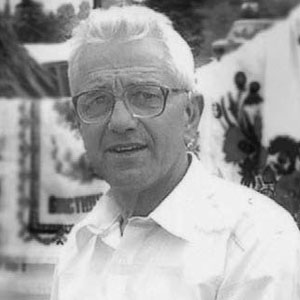
Kazymyr Dobrovolskyi
R. O. Hlavatsky
Lozova River
estate
green tourism
Site Overview
Short identification
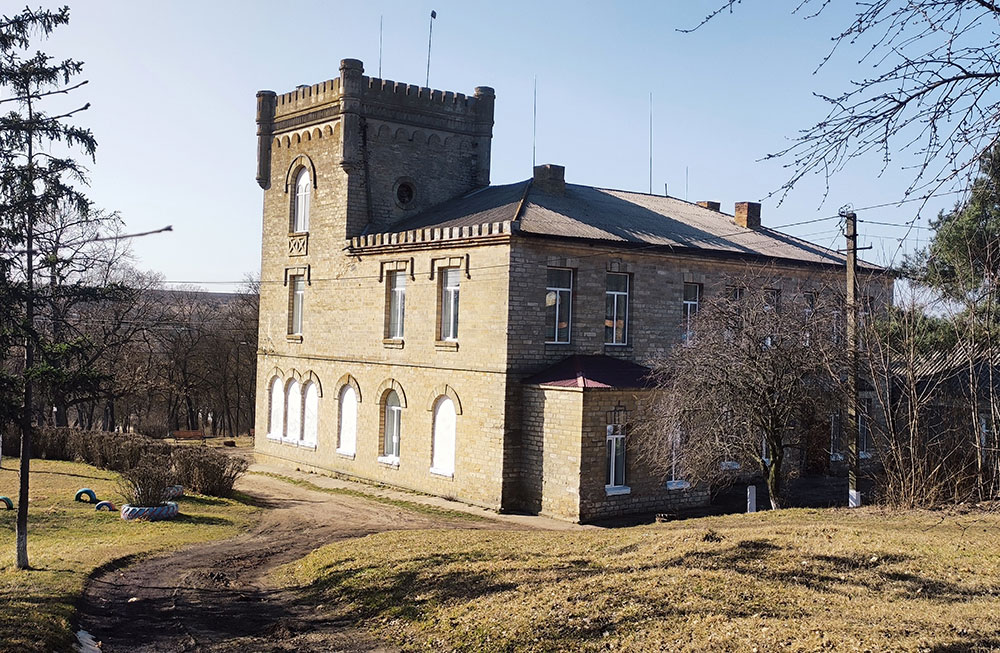
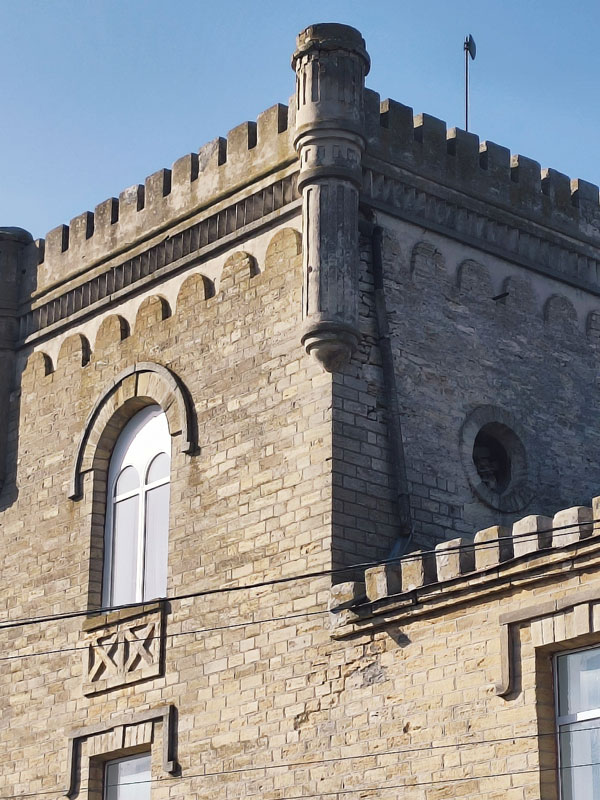
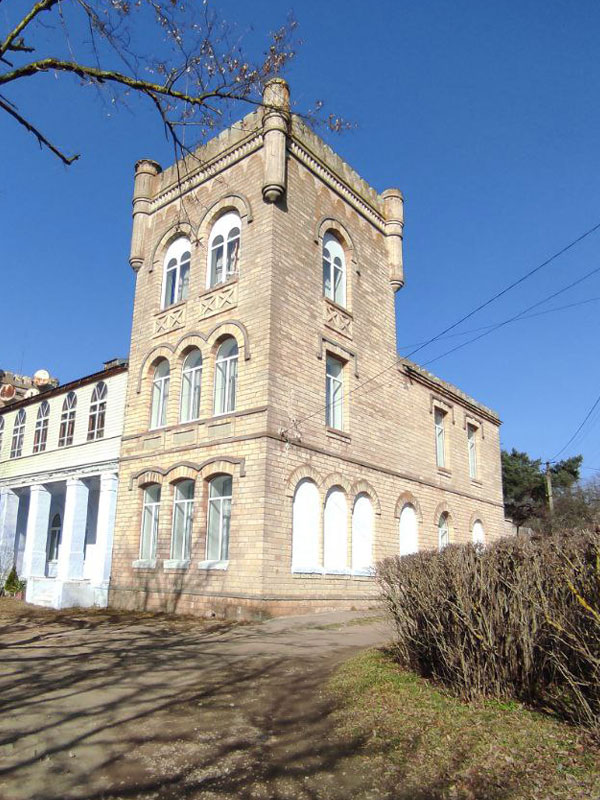
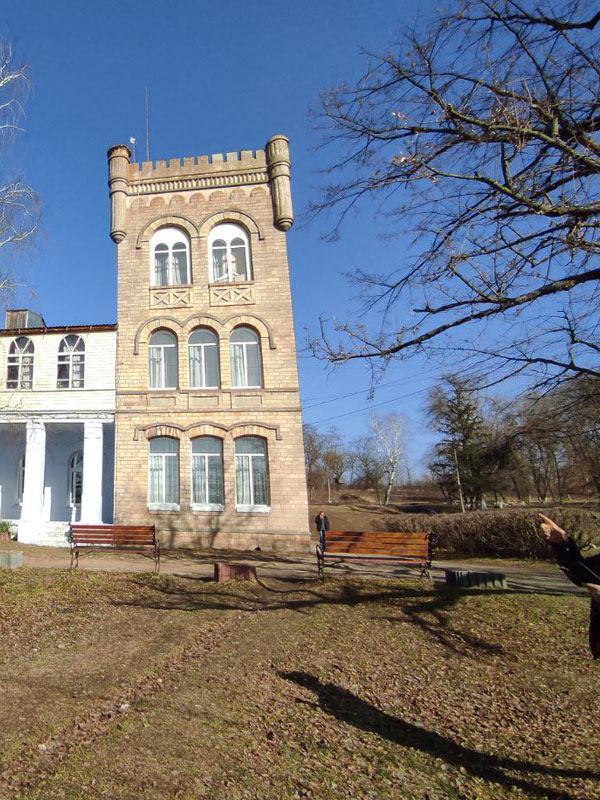
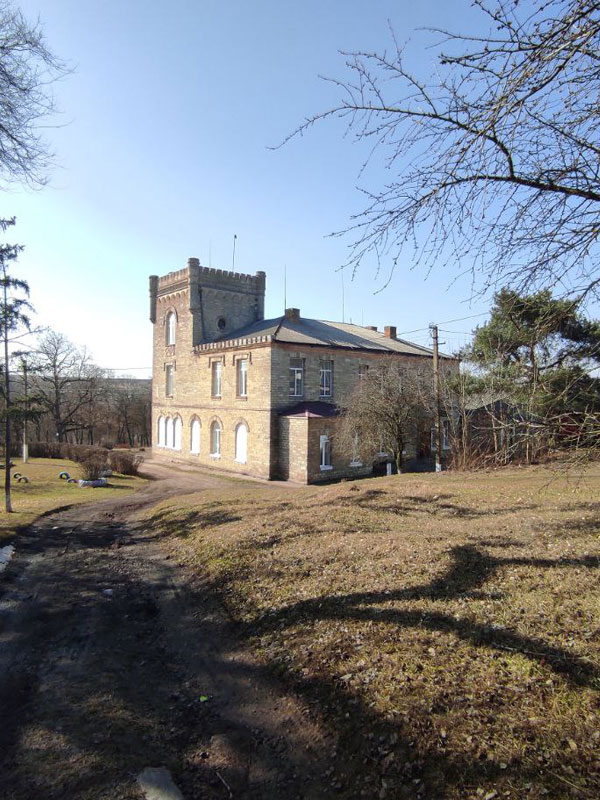
Hlavatsky Palace in the village of Budne is a historic estate from the early 20th century associated with the Dobrovolskyi and Hlavatsky families of physicians and with the local history of Podillia. For a traveler, this is not a large museum palace but rather a quiet, little-known site with a distinct silhouette, layered history, and solid potential for a one-day route.
What visitors see here
The site attracts attention not because of its scale but because of its character. This is estate architecture of provincial Podillia that survived thanks to the long practical use of the building throughout the 20th and 21st centuries. That is exactly why the palace is interesting both as an architectural monument and as an example of how a historic building survived changes of eras, owners, and functions.
Viewing format for green tourists
The best scenario is a calm exterior inspection, a photo stop, a short walk through the village, and combining the site with other places in the Sharhorod area. This place is better suited to slow and attentive tourism than to mass visits or lengthy экскурсионные programs.
Important: open sources indicate that the building is currently used by an educational institution. Because of that, access conditions should be clarified locally, and during the visit it is important to respect privacy and the operating schedule of the institution.
Photos
History
Origin of the estate
Budne has been known since at least the 16th century. In different periods the village belonged, among others, to the Sosnovski and Lubomirski families. In the mid-19th century the estate passed to Kazymyr Dobrovolskyi, a physician by profession. This period is important not only for the history of ownership but also for the economic development of the village: in the 19th century there was a brewery, a distillery, and a watermill here.
Construction of the palace
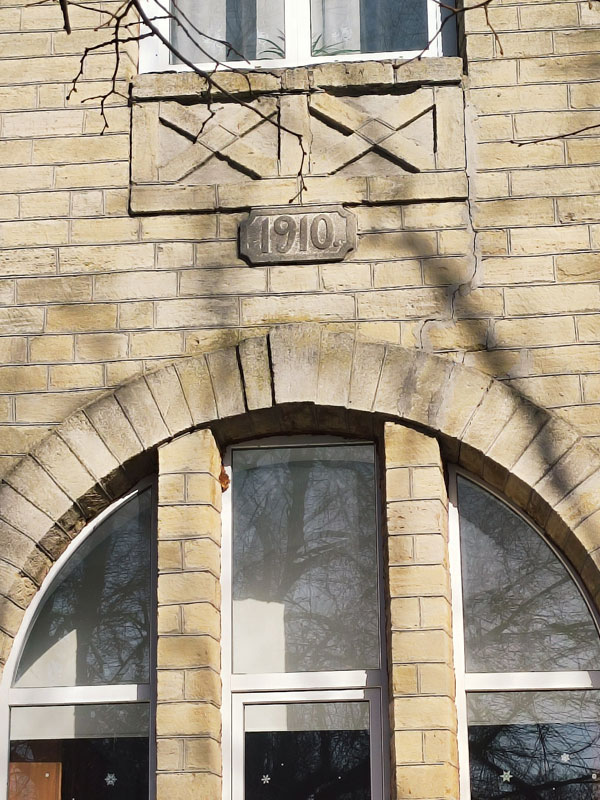
Later the estate passed to Dobrovolskyi’s grandson, Doctor R. O. Hlavatsky. Available sources associate him with the construction of the palace, which is most often dated to 1910. In this way the building became the main architectural accent of the estate and one of the most visible historical markers of Budne.
Events of the early 20th century
The history of the estate is intertwined with the social conflicts of the era. In 1905 peasant unrest was recorded on the estate of the landowner Hlavatsky, caused by dissatisfaction with labor conditions. After the revolutionary events and war-related upheavals of 1918, part of the estate’s economic infrastructure was destroyed, and the manor residence was damaged.
New use in the Soviet and modern periods
In 1929–1934 an agricultural technical school, also referred to as an agronomic school, operated in the palace. After its closure, in 1934, an orphanage was opened in the building. Since 1961 the site has functioned as a boarding school, and in modern records it appears as a special school. This continuous use of the building explains to a large extent why the palace did not disappear from the landscape, unlike many other estates in Podillia.
Architectural Features
What is confirmed by sources
Open sources do not provide a reliably attributed architect’s name, nor do they establish the style of the building with complete certainty. This is an important clarification: in the case of Hlavatsky Palace, it is more accurate to speak not about a definitively established style but about a set of visible features and local descriptions.
Facade composition
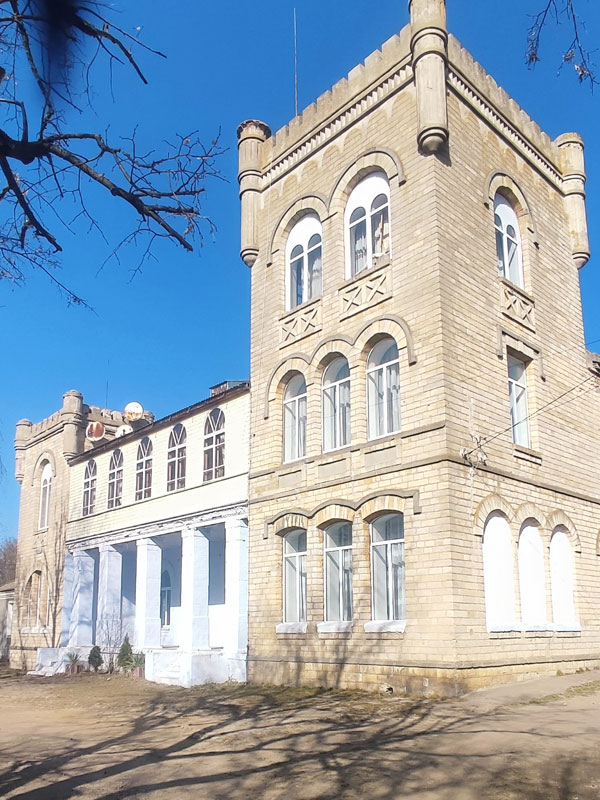
Local tourist descriptions emphasize three-story square towers on both sides of the entrance, columns, and unusually shaped windows. These elements form the recognizable image of the building. For a small rural location, such a composition looks striking and immediately sets the site apart from ordinary residential architecture.
Architectural character of the building
The palace is perceived as an estate building with romanticized accents and expressive formal plasticity. Local-history descriptions also point to its similarity to the palace in Nosykivka. This makes it possible to view Budne not in isolation but within the broader context of Podillian palace architecture of the late 19th and early 20th centuries.
State of preservation
Since the structure was not abandoned as a ruin for a long period but continued to perform a social function, tourist publications describe it as maintained. For researchers, this is a revealing case: adaptive use did not replace full museification, but it did preserve the building’s volume, silhouette, and presence in the cultural space of the village.
Natural Surroundings
Landscape and location
Budne is located on the banks of the Lozova River, approximately 5 km from Sharhorod. This is a typical rural Podillian landscape with a quiet valley, a local water axis, and open views across the surrounding terrain. For green tourism, this combination is especially valuable: a short cultural stop here naturally pairs with a walk, photography, and observation of the relief.
Best season to visit
The best time to plan a trip is from late spring to early autumn, when the rural landscape is at its most expressive and the site reads more clearly against the greenery. Spring emphasizes the union of architecture and estate surroundings, while autumn adds contrast for photography.
Visitor ethics
For a green route, low-impact behavior matters: do not litter, do not damage vegetation, do not enter service areas without permission, and do not turn the location into a noisy event site. Budne benefits most from a slow, careful, and respectful format of travel.
Tourist Infrastructure
How to get there
The easiest way is via Sharhorod, since Budne lies very close to it. For a car route, this is a simple short detour that can be included in a one-day Podillia trip. Public transport options and last-mile logistics should be checked before departure, because schedules for small rural locations may be limited.
Visit format
The site should not be planned as a half-day destination. A realistic format is 20–40 minutes for an exterior inspection, photos, and a short acquaintance with the place. If the goal is a green tourism route, then Budne is best combined with Sharhorod, Nosykivka, or other palace and sacral sites of the district.
What to consider on site
Open sources do not confirm specialized tourist infrastructure such as ticket desks, regular excursion slots, or a museum service. Because of that, the palace is better treated as a quiet stop for an individual route rather than as a fully equipped tourist attraction.
Route advice
The optimal scenario for a green tourist is a departure in the first half of the day, an exterior inspection of the palace, a short walk through the surroundings, and then a transfer to Sharhorod or another estate site. This format gives a sense of space and does not overload the trip with unnecessary logistics.
Expert Analysis
Cultural and historical value
Hlavatsky Palace is important not because it is the most famous palace in Vinnytsia region, but because it is a well-readable example of local estate history. It shows that the cultural heritage of Podillia consists not only of large magnate residences, but also of smaller yet highly expressive sites connected with the everyday history of the village, medicine, local economy, and the social transformations of the 20th century.
Why the site works especially well for green tourism
For an ecologically sensitive itinerary, this location works better than it would for mass excursion traffic. There is no excessive commercialization here, but there is silence, historical context, and a natural setting. The main strength of the site is its intimacy and authentic rural atmosphere. The weak side is limited public access and the lack of developed tourist infrastructure. That is why the best strategy for presenting this place is an honest one: do not exaggerate, but show it as part of a sensible, calm, and meaningful Podillian route.
Comparative Table with Other Regional Estates
| Site | Period | Key feature | Natural / park surroundings | Visit format | Positioning for travelers |
|---|---|---|---|---|---|
| Hlavatsky Palace, Budne | Early 20th century; most often dated to 1910 in sources | Tower-like volumes near the entrance, columns, windows of unusual shape; the history of a small Podillian estate | Rural Podillian landscape, proximity to the Lozova River | Short exterior inspection; access should be clarified locally | A quiet niche stop for a photo pause and a route without crowds |
| Shcheniovskyi Palace, Nosykivka | 1905 | Decorative tower, wall, guardhouse, old park; in recent years a case of civic revitalization | The palace stands on a hill in the middle of an old park | The site is more actively integrated into tourism, with news about excursions and restoration initiatives | A strong choice for those looking for “living” heritage with a modern restoration story |
| Witosławski–Lwów Palace, Cherniatyn | 1830 according to register and encyclopedic data | Neo-Gothic palace, one of the most expressive estate images in Vinnytsia region | The park is associated with Dionysius McClair | A larger and more representative site worthy of a separate trip | The choice for those who want more monumental palace architecture and a park context |
| Orlovskyi Palace and Park Ensemble, Severynivka | 1802–1804 | An early palace-and-park ensemble with a landscape park | A 42-hectare park, alleys, and rare tree species | Suitable for a longer unhurried walk | Optimal for those who value the park and walking component as much as the architecture itself |
FAQ
Where is Hlavatsky Palace located?
The palace is located in the village of Budne, Sharhorod Urban Community, Zhmerynka District, Vinnytsia Oblast. It is close to Sharhorod and can easily be included in a one-day route.
Who owned the estate?
In the 19th century the estate belonged to Kazymyr Dobrovolskyi, and later it passed to his grandson, Doctor R. O. Hlavatsky. Hlavatsky is associated with the development of the estate and the construction of the palace.
When was the palace built?
The most frequently cited date in available open sources is 1910. For a tourist and local-history description, this dating is the baseline one.
Can visitors go inside?
Open sources do not guarantee free tourist access to the interiors. It is most accurate to expect an exterior visit and always respect the current operational status of the building.
Why is this location interesting for green tourists?
The combination of a historic estate, a quiet rural setting, and the Podillian landscape makes Budne a good stop for slow travel, photo routes, and cultural rest without heavy infrastructure.
What should a trip to Budne be combined with?
The most logical combination is with Sharhorod, Nosykivka, Cherniatyn, or Severynivka. This gives the route both a natural and an architectural dimension, while Budne works as a камерна but meaningful part of a wider Podillian journey.
Sources
- Wikipedia: Budne (Zhmerynka District) — basic information about the village, estate owners, palace dating, the events of 1905, and the later use of the building.
- Ukraina Incognita: Budne. Hlavatsky Palace — a local-history description of the site, a short historical outline, and tourist context.
- Landmarks.in.ua: Budne — a brief description of the palace, geographic reference, and notes about the agronomic school and boarding institution.
- ISUO: Budne Special School — confirmation of the modern educational use of the building/site.
- Travels.in.ua: Shcheniovskyi Palace (Nosykivka) — data for the comparative section on Nosykivka.
- Khmarochos: activists partially restored Shcheniovskyi Palace in Vinnytsia region — current context of revitalization and excursion use.
- Wikipedia: Witosławski–Lwów Palace — data for comparison with Cherniatyn.
- Wikipedia: Orlovskyi Palace and Park Ensemble — data for the comparative section on Severynivka.
Video overview
Location on the map