Sokilets (Vinnytsia Oblast)
Southern Bug River
Potocki family
Konstanty Potocki
Jan Hoyrich
Pechera village
industrial heritage
green tourism
Site overview
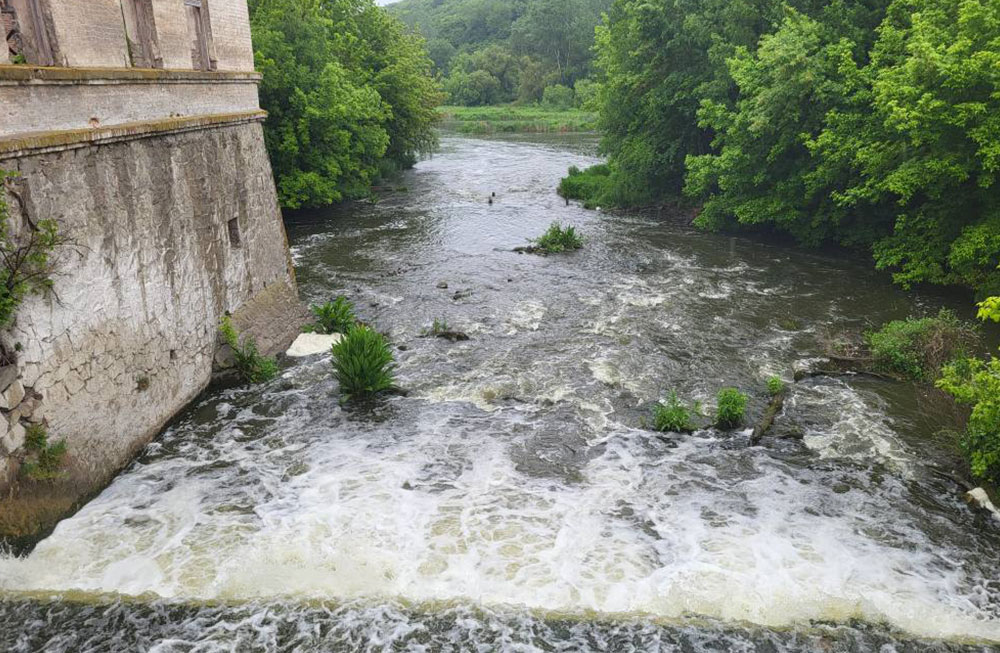
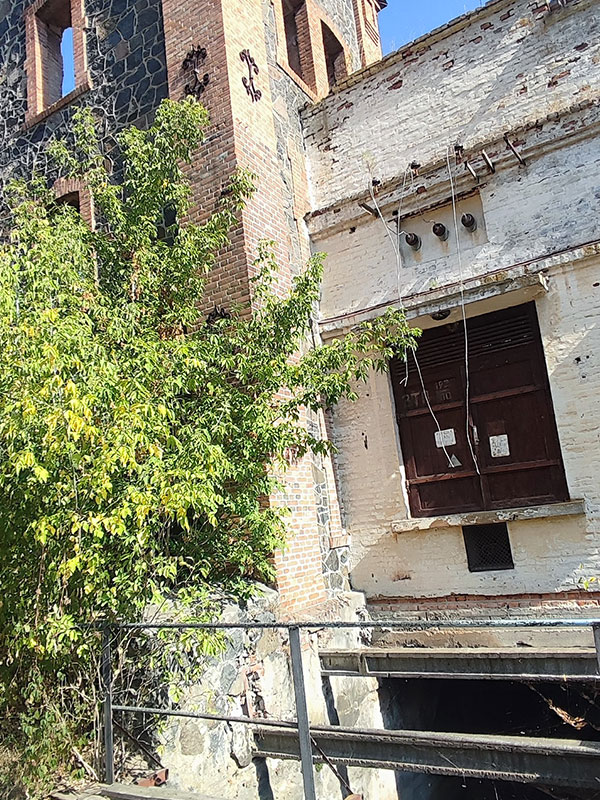
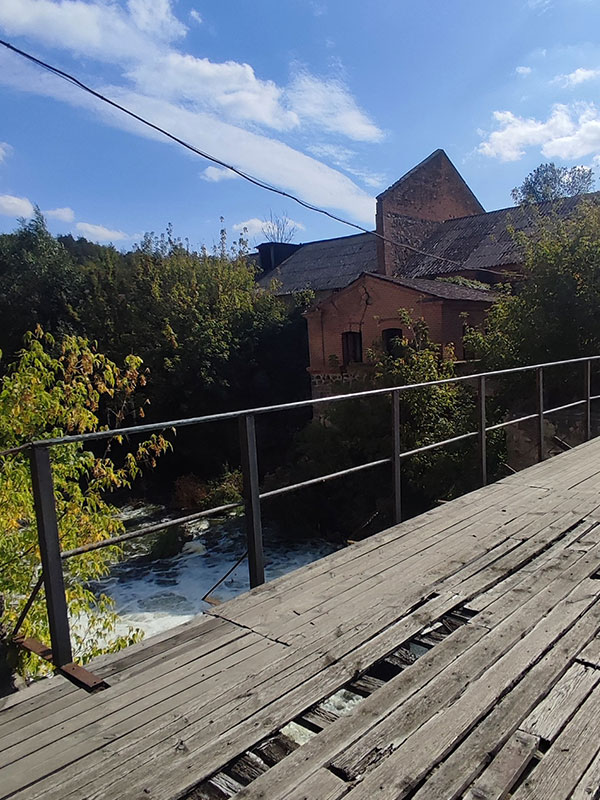
The Potocki Water Mill in Sokilets is the remains of a large milling complex on the Southern Bug River, near the villages of Sokilets and Pechera in Vinnytsia Oblast. Today the structure is not operating and shows signs of decay, yet it preserves a strong silhouette and value as a late-19th-century industrial (economic) architecture landmark.
For green tourists, the location is appealing for its blend of the Southern Bug landscape and industrial history: it suits a slow walk, a photo stop, and riverside observation. For safety, follow the “do not enter unstable ruins” rule and explore mainly from the outside.
Map reference: outskirts of Sokilets / Pechera; tourist guides often provide coordinates as 48.859611, 28.728636.
Photos
History
Origin and patron
According to local history and tourism descriptions, the mill (or a milling complex) in Sokilets was built in 1899 on the order of Count Konstanty Potocki, a representative of the well-known Potocki family, which owned estates in Podillia and other regions.
Design and technological concept
Publications about the site state that the project was designed by architect Jan Hoyrich and that German craftsmen were involved in construction. For the late 19th century, the mill is described as powerful and technologically advanced: tourism sources mention capacity of up to 50 tons of grain per day and an engineering solution involving a canal and a system of sluices to compensate for low river levels.
Decline and current condition
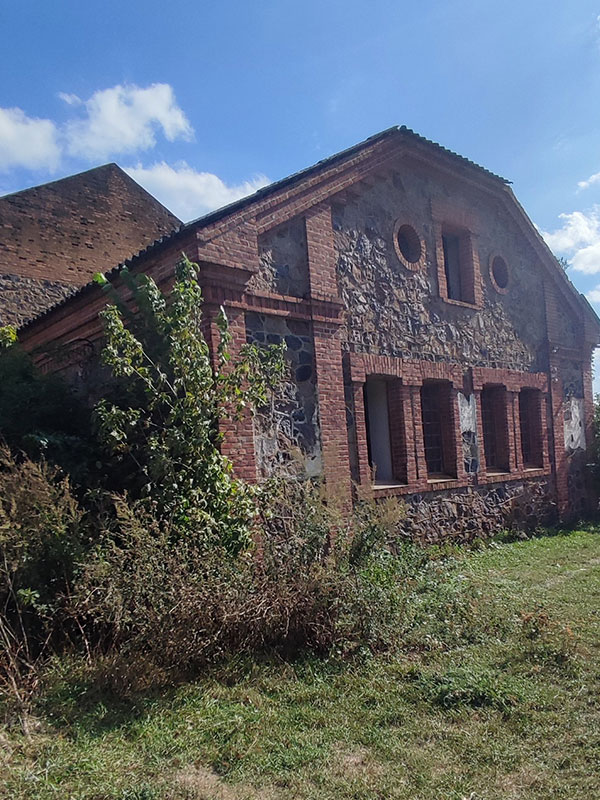
In the 20th–21st centuries, the site lost its production role. Today it is a ruin/partially preserved structure: without regular maintenance, collapse risks increase, brickwork deteriorates, and decorative elements are lost. This strengthens the case for responsible visiting: view from a safe distance and avoid entering unstable interiors.
Architectural features
Materials and façade character
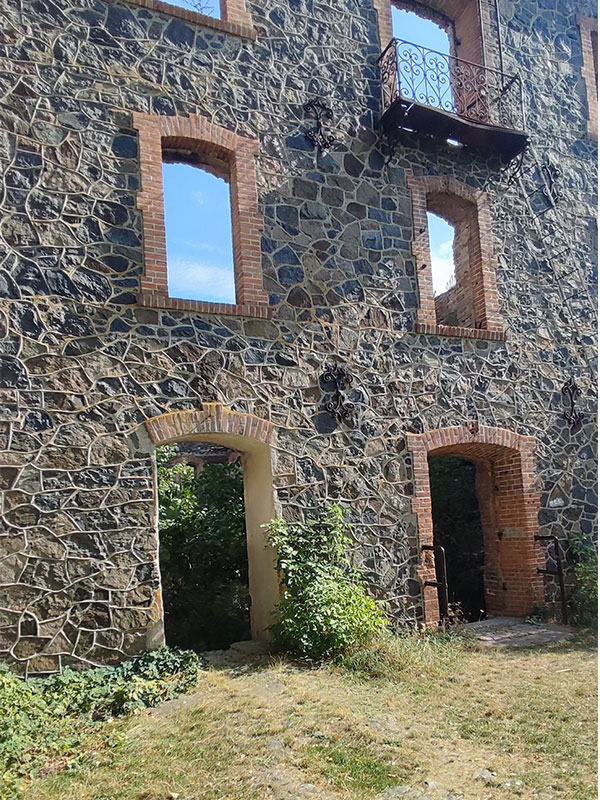
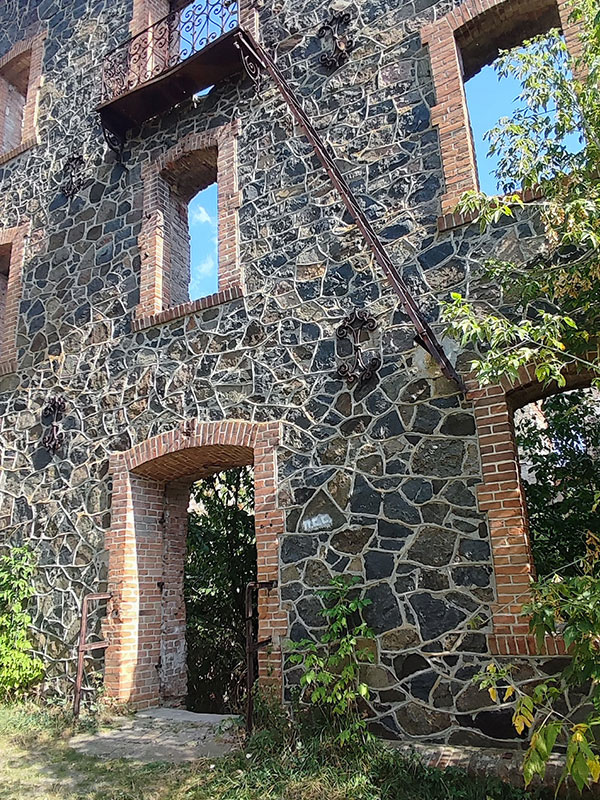
The site stands out for its late-19th-century industrial aesthetics: descriptions highlight red brick and stone/granite as key materials. Thick walls and strong volumes create a “fortress-like” impression, often associated with water-powered industrial buildings of that era.
Storeys and composition
Tourism descriptions note varied height: three storeys in the central part and up to four on the sides. This composition reflects functional zoning typical of milling complexes (grain intake, milling, storage).
Engineering context of a water mill
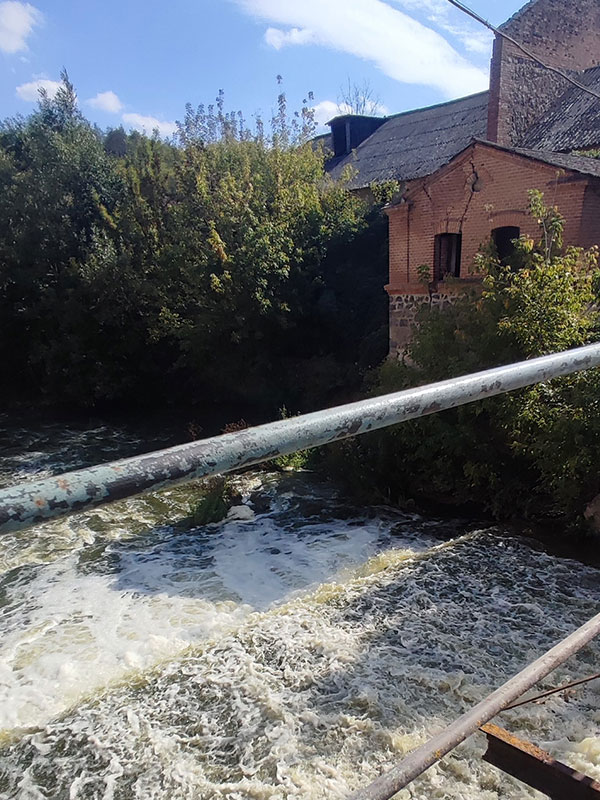
As a water mill, the complex was tied to the Southern Bug’s hydrology: stable operation required water intake, flow, and regulation elements. Mentions of a canal and sluices suggest an attempt to keep the mill running even when water levels changed.
Natural surroundings
Southern Bug River and the Pobuzhzhia landscape
The mill lies in the Southern Bug valley—an emblematic riverscape of Vinnytsia Oblast with rocky banks, elevation changes, and wide water views. The setting works well for eco-walks, birdwatching, and seasonal photography.
Eco-ethics for visiting
For a green route, basic rules matter: leave no litter, avoid fires in unsafe areas, do not damage masonry, and do not take fragments as “souvenirs.” The site is vulnerable precisely because it is not protected and materials are aging naturally.
Tourist infrastructure
How to get there
The location is linked to Sokilets (Vinnytsia Oblast) and the direction toward Pechera. A practical plan for eco-tourists: reach Sokilets by car/taxi from nearby towns, then walk to the mill using navigation (coordinates are often included in travel guides). In rainy weather, expect slippery paths and muddy access roads.
On-site visiting: safety
- View from the outside; do not enter damaged parts.
- Do not climb onto floors, beams, or stairs of unknown stability.
- Keep distance from collapsed areas and edges of slopes/banks.
- Use zoom for photos instead of risky approaches.
What to bring for green tourism
- Proper footwear (banks and stones can be slippery).
- Water, a snack, a basic first-aid kit.
- A bag for your trash (and, if possible, one extra bag to pick up small litter nearby).
- A flashlight is not a reason to enter; it is useful only for a safe walk back at dusk.
Best time to visit
Late spring, summer, and early autumn are usually most comfortable, when paths are less slippery and viewpoints are open. For photographers, the “golden hours” at sunrise and before sunset work best.
Expert analysis
Why the Potocki mill matters for the region
This is more than a “pretty ruin.” The Sokilets mill is a marker of Podillia’s economic modernization at the end of the 19th century: investment in productive facilities, engineering solutions for managing water resources, and the involvement of specialists and craftsmen with a European craft tradition. The very placement on the Southern Bug highlights the river’s role as an energy and logistics axis for the region.
Risks and green-tourism potential
The main risk is structural instability and uncontrolled decay. Therefore, the best visiting format is low-impact: a short external inspection, photos, and a riverside walk without entering. In the future, the site could become part of an eco-trail along the Southern Bug with minimal infrastructure (an info board, a safe viewing platform, basic wayfinding), reducing hazards while increasing the site’s educational value.
Comparison table with other regional estates
The comparison is presented in practical tourist terms: site type, key highlight, safety considerations, and seasonality. It helps build a 1–2 day route across Vinnytsia/Podillia focused on nature and heritage.
| Site | Type | Period / era | Condition | Key value | Risks / safety | For green tourists |
|---|---|---|---|---|---|---|
| Potocki Water Mill (Sokilets) | Industrial architecture, water mill | Late 19th c. (1899) | Partly ruined | Engineering + Southern Bug landscape | Instability; do not enter | Short stop + riverside walk, photos |
| Śobański Palace (Obodivka) | Palace-and-park complex | 19th c. | Varies (depends on access and maintenance) | Estate architecture and park landscape | Lower risk if viewed from outside | Combine with park walks |
| Chatsky Palace (Serebryntsi) | Estate / palace | 19th c. | Historical fabric; condition depends on upkeep | Classic Podillia estate architecture | Typical risks of neglected buildings | Photo stop + village walk |
| Hlavatsky Palace (Budne) | Estate / palace | 19th c. | Depends on access and preservation | Local history and architectural details | Check access and condition on site | Quiet route without crowds |
| Ozarynets Castle (Ozaryntsi) | Fortifications / ruins | Early modern period (per local descriptions) | Ruins | Fortification landscape and “history in relief” | Uneven terrain; collapse risks | Hiking and scenic viewpoints |
FAQ
Where exactly is the Potocki water mill located?
The mill is in Vinnytsia Oblast on the Southern Bug River near Sokilets, in the direction of/near Pechera. For navigation, guides often use coordinates 48.859611, 28.728636.
When was it built and who commissioned it?
Tourism and local-history sources commonly cite 1899 and name Count Konstanty Potocki as the patron.
Can you enter the building?
It is not recommended. The structure shows signs of instability and decay. A safer format is an external viewing, photos, and a walk nearby (without approaching collapsed sections).
How much time should you plan for a visit?
For a green-tourism scenario, 30–90 minutes is usually enough: walk to viewpoints, take photos, and enjoy the riverside. If you add a longer Southern Bug valley walk, plan extra time.
When is the best time to visit and what should you bring?
Dry seasons (late spring to early autumn) are best. Bring good shoes, water, a basic first-aid kit, and a trash bag. In wet weather, rocks and riverbanks can be slippery.
Sources
Discover.ua — “Ruined Potocki Mill” (overview, 1899 date, technical notes, wayfinding)
Ukraina Incognita — “Milling Complex in Sokilets” (patron, date, architect, Southern Bug context)
Vandrivka — “Count Potocki’s Mill (Sokilets)” (general description and context)
Wikimedia Commons — photo file “Potocki Mill near Pechera” (visual identification)
YouTube — Elevatorist: video overview (location and current visual condition)
Video overview
Location on the map