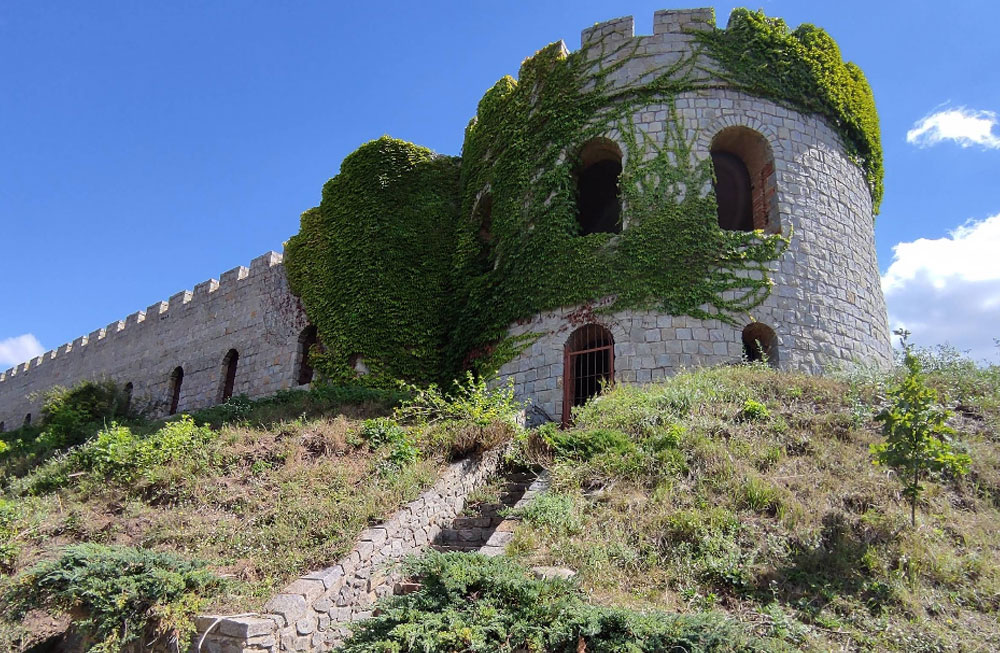
Cherlenkivskyi Castle is one of the most atmospheric ruin sites near Vinnytsia, but it is not a polished museum destination. Its value lies in the combination of frontier history, layered architectural change, and a strong visual position above the Southern Buh.
Public sources do not fully agree on the earliest phase of the fortification. Because of that, this page separates the broader medieval history of Cherlenkiv from the later stone remains that can still be read on site today.
For travelers building a weekend route around Vinnytsia Oblast, the castle works best as a slow-travel stop: a place for landscape, local history, and quiet exploration rather than a heavily interpreted visitor attraction.
Selyshche
castle ruins
defensive architecture
Southern Buh
cultural heritage
Podillia
Vinnytsia Oblast
weekend route
photo stop
Object overview
Cherlenkivskyi Castle is a historical fortified site near Selyshche in Vinnytsia Oblast. Today the location is read primarily through its surviving ruin fragments, its setting above the river valley, and the long local memory of former Cherlenkiv as an important place on the Podillian frontier.
The site is most suitable for travelers interested in ruins, regional history, landscape photography, and quiet heritage stops outside the standard city circuit. It is less suitable for visitors expecting a formal museum, ticketed interpretation, or developed tourist service on site.
For most visitors, 30 to 60 minutes is enough for a focused stop. Within a broader regional itinerary, it makes sense as part of a one-day or half-day route from Vinnytsia.
Photos
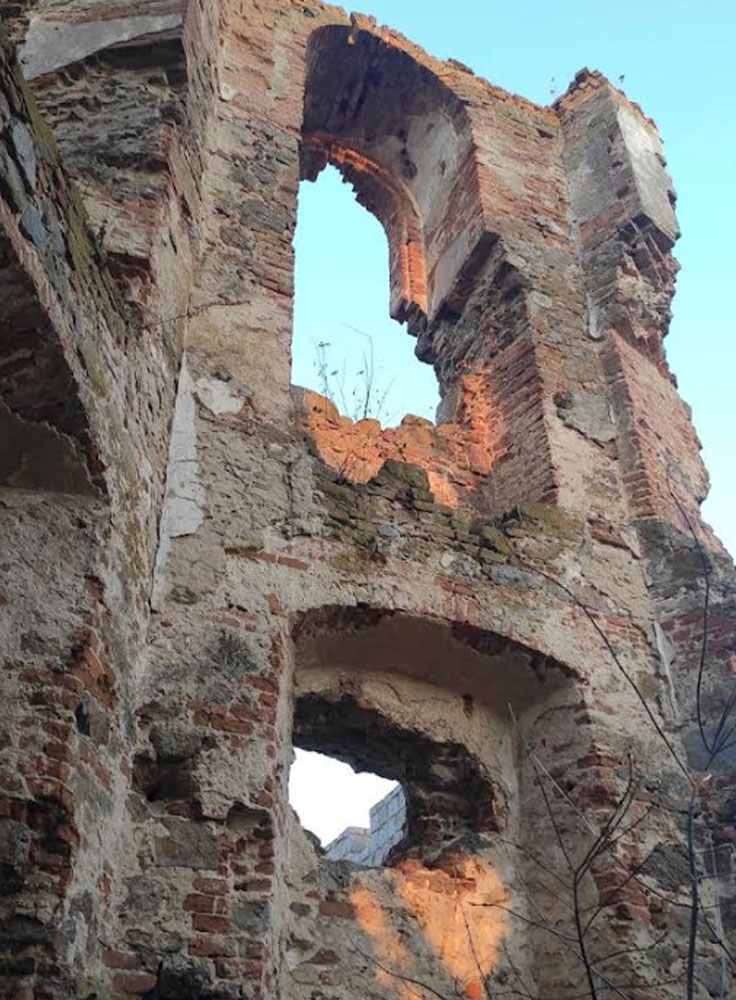
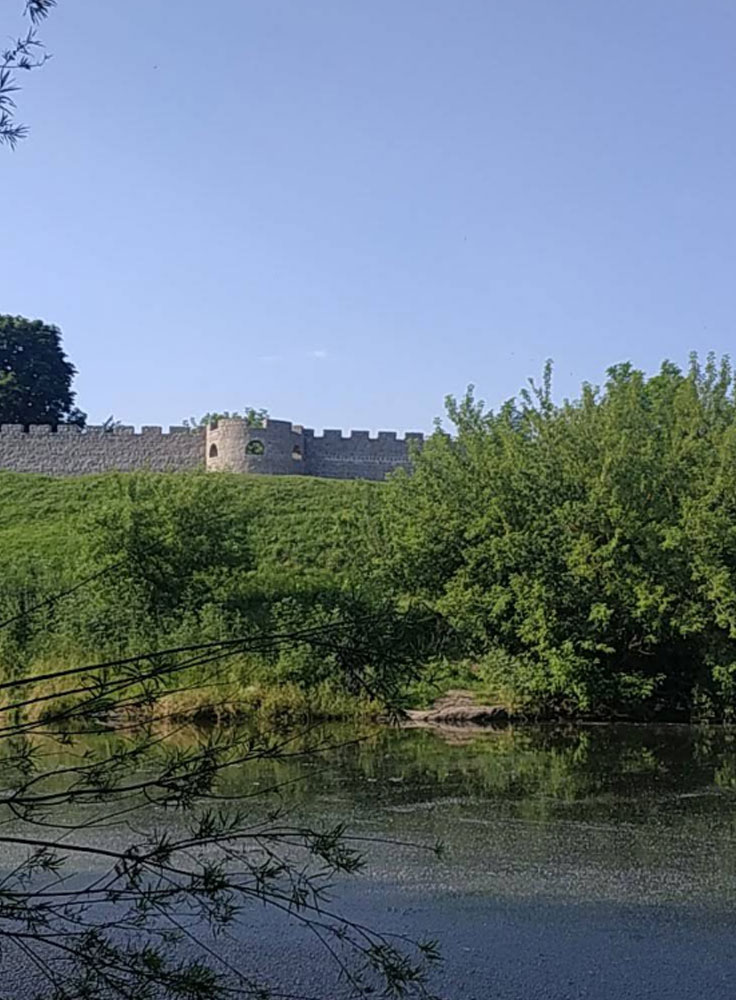
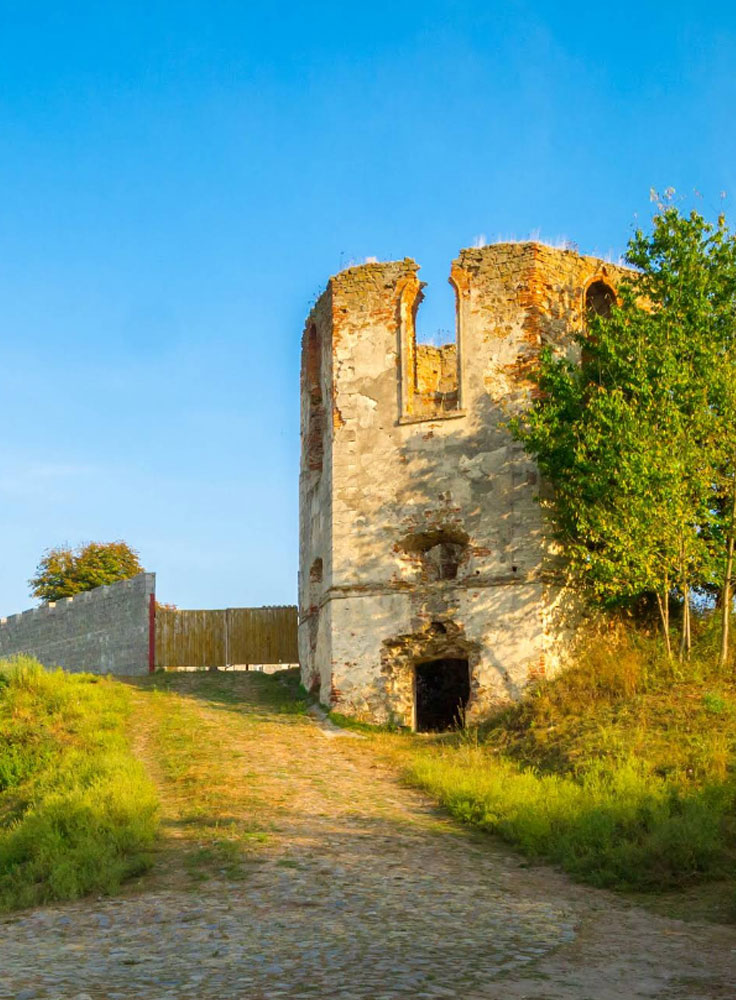
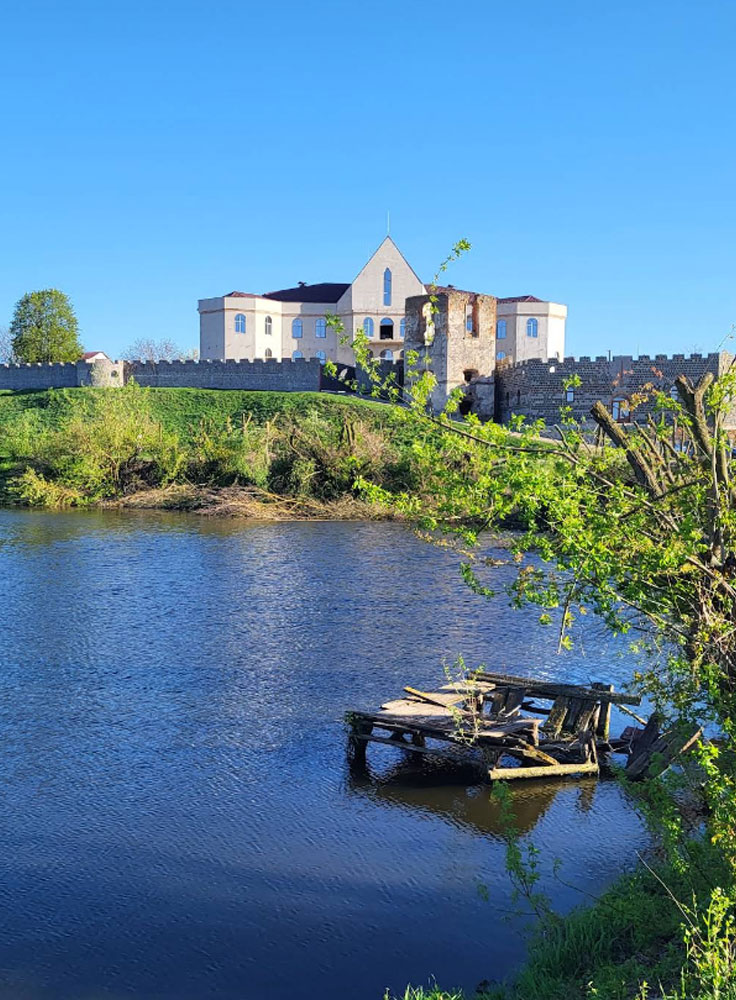
History
Origins of the site
Sources differ on the earliest stage of the fortification. Some local-history materials connect the first defensive phase with medieval Cherlenkiv and a wooden stronghold associated with the Koriatovych period in Podillia, while other references describe the castle in the context of the sixteenth century and the Cherlenkivskyi owners. The visible ruin that matters to today’s visitor is best understood as a later stone complex with a long and layered history.
Owners and historical context
The place mattered because of its strategic landscape position near a crossing over the Southern Buh. Historical accounts link the site with the Cherlenkivskyi family, the destruction of the settlement in 1624 during a Tatar raid, and later monastic presence connected with the Basilians. In the eighteenth century, the site is associated with the Shchenevsky family and with attempts to rebuild or reuse the former fortress.
Later fate and present condition
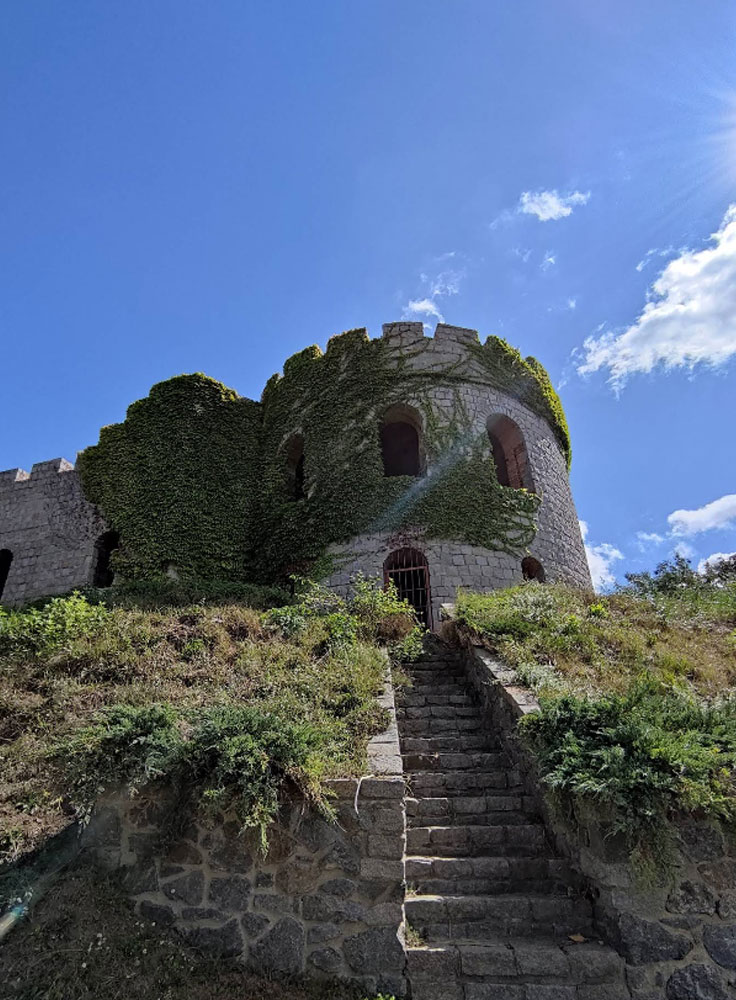
Over time, the stronghold lost its military role and parts of the complex were adapted to new functions. One of the towers is described in local sources as having been converted into a burial chapel, while other parts of the fortifications were dismantled, reused, or damaged. Today the castle survives as a ruin, and the site is protected as a cultural heritage monument.
Architectural features
Planning and composition
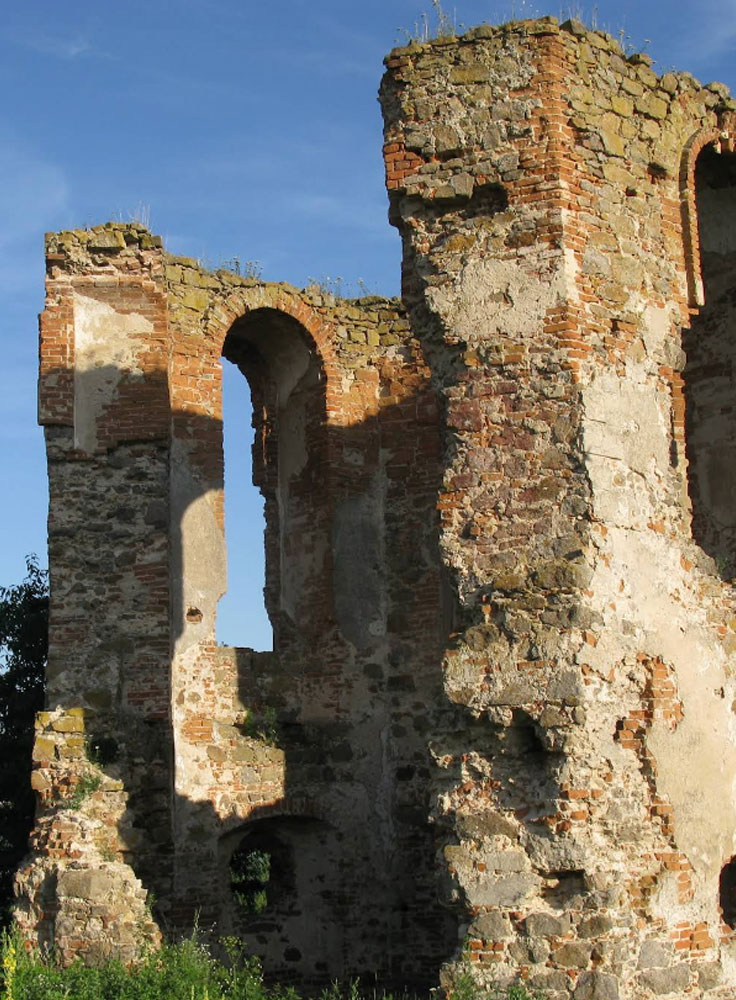
The castle occupied an elevated position above the river landscape, which gave it both defensive advantage and visual dominance. What can be read now is fragmentary: tower remains, traces of former walls, and the memory of a fortified ensemble that once controlled an important local route.
Stylistic features
This is not a uniform palace composition but a layered historic site. Its architectural value comes from the overlap between defensive masonry, later residential reinterpretation, and funerary adaptation. For that reason, Cherlenkivskyi Castle is most interesting as a document of change rather than as a complete stylistic object.
State of preservation
The site survives in a fragmentary condition. That makes it visually dramatic, but also means that visitors should read it as a ruin landscape, not as a restored monument. The strongest impression comes from silhouette, massing, and setting rather than from intact interiors or decorative detail.
Natural surroundings
Landscape and river setting
The ruin stands above the Southern Buh landscape, where relief, open slopes, and water create one of the site’s main attractions. The natural setting is not a secondary background here; it is central to how the monument is perceived.
Appeal for walks and photography
Cherlenkivskyi Castle is especially strong for photography because the remaining masonry reads clearly against the sky and the river valley. Soft morning or evening light usually works best, and the site rewards visitors who are willing to stop, observe, and work with long views rather than quick snapshots only.
Value for green travel
For slow travel and quiet regional exploration, the location works very well. It is not a formal park destination, yet it offers a combination of open air, historical atmosphere, and a sense of distance from the faster urban rhythm of Vinnytsia.
Tourist infrastructure
How to get there
The site is usually visited from Vinnytsia by road, with Selyshche serving as the key access point. In practical terms, the castle is best treated as a short rural detour or a heritage stop within a broader regional route.
What to know before visiting
Visitors should expect limited on-site infrastructure. There is no fully developed museum environment, so sturdy footwear, attention to uneven ground, and respect for the site’s fragile remains are important. It is also wise to avoid treating the ruin as a climbing structure.
How to combine it with other Vinnytsia Oblast sites
Cherlenkivskyi Castle works best in combination with stronger museum or estate stops elsewhere in the region. Good route logic usually means pairing it with palace-and-park sites, historical town centers, or other ruined fortifications rather than visiting it as the only destination of the day.
Expert analysis
Cherlenkivskyi Castle stands out not because it is the most complete monument in Vinnytsia Oblast, but because it compresses several valuable layers into one compact stop: frontier history, noble ownership, monastic reuse, architectural loss, and a memorable river landscape. That combination gives the site genuine interpretive depth.
Within a regional route, its strongest role is as a niche cultural stop and a high-quality photo pause. Travelers who value ruins, atmosphere, and landscape will often remember it more vividly than more polished but less distinctive locations.
Comparative table with other Vinnytsia Oblast locations
| Object | Locality / community | Location type | Historical period | Architectural expressiveness | Natural surroundings | State of preservation | Tourist value for a Vinnytsia Oblast route |
|---|---|---|---|---|---|---|---|
| Cherlenkivskyi Castle | Selyshche, Hnivan urban community | Castle ruin | Medieval origins in sources; visible remains mainly 17th–18th century layers | High as a ruin silhouette | Strong river-valley setting above the Southern Buh | Fragmentary | Strong niche stop for history, atmosphere, and photography |
| Palace and Park, Voronovytsia | Voronovytsia | Palace-and-park ensemble | 18th century | High and more legible as a complete ensemble | Park environment | Comparatively better preserved | Very strong stop near Vinnytsia with broader audience appeal |
| Potocki Palace, Tulchyn | Tulchyn | Palace ensemble | Late 18th century | Very high and monumental | Town and park context | Major preserved ensemble | Destination-level cultural stop in the region |
| Castle walls and tower, Sharhorod | Sharhorod | Castle remains within a historic town | 16th–17th century | Moderate, read best in context | Historic urban environment | Fragmentary | Strong when combined with Sharhorod’s broader heritage route |
| Palace, Serebryntsi | Serebryntsi | Palace site | 18th century | Medium to high | Landscape and park setting | Partially preserved | Worth adding to a thematic architecture route |
FAQ
Where is Cherlenkivskyi Castle located?
Cherlenkivskyi Castle stands near the village of Selyshche in Vinnytsia Oblast, on elevated ground above the Southern Buh. It is best treated as a rural heritage stop rather than a fully serviced museum site.
Why is Cherlenkivskyi Castle interesting?
The site combines several layers of value at once: frontier history, the memory of medieval Cherlenkiv, later early modern rebuilding, and a striking landscape setting. Even in ruin, it remains visually strong and distinctive within regional routes.
When is the best time to visit?
Late spring, early summer, and early autumn are usually the most comfortable periods for a visit. Morning or late-afternoon light also works best for photography because the ruin and the river landscape read more clearly.
How much time should you plan for the stop?
For a focused look at the ruin and the surrounding viewpoints, 30 to 60 minutes is usually enough. If you combine the stop with a slow walk, photo pauses, and nearby locations, plan a half-day route.
Is the castle suitable for photography?
Yes. The site is especially strong as a photo stop because the ruin rises above the river landscape and reads well from several angles. Visitors should still be careful on uneven ground and avoid unsafe climbing.
Can you combine it with other places in Vinnytsia Oblast?
Yes. Cherlenkivskyi Castle works best in combination with other heritage stops rather than as a full-day destination on its own. It fits well into routes that also include Voronovytsia, Tulchyn, Sharhorod, or other historical locations in the region.
Sources
- Vinnytsia Regional Military Administration: state register entry for cultural heritage monuments of national significance in Vinnytsia Oblast
- Travels in Ukraine: Cherlenkiv Castle, Selyshche
- Ukraina Incognita: Selyshche (Cherlenkiv) and the castle ruins
- 20 Minutes Vinnytsia: background history of Cherlenkivskyi Castle
- Castles and Temples of Ukraine: Selyshche / Cherlenkiv overview
Video review
Location on the map